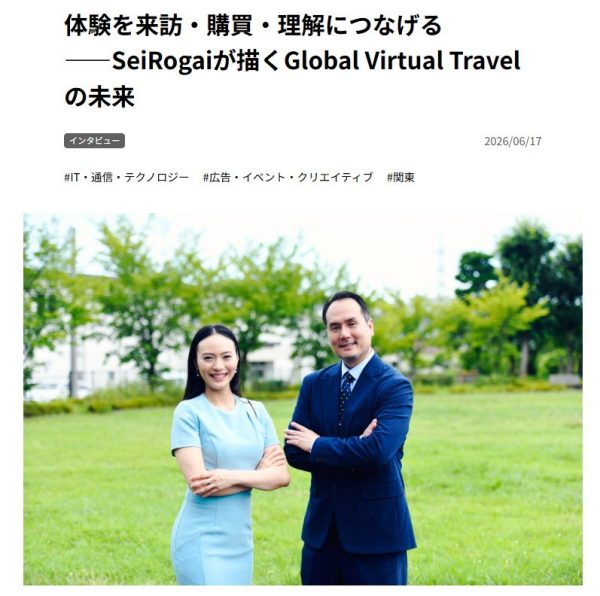
A few weeks ago, my co-founder Samuel Yuen and I had the pleasure of being interviewed by Keido Online Magazine about SeiRogai‘s journey, the evolution of our Global Virtual Travel (GVT) platform, and our vision for connecting Japan with the world through immersive technology and storytelling.
Like most founders, I spend far more time building than reflecting. Our days are usually consumed by client meetings, project deadlines, government collaborations, university partnerships, investor discussions, product development, and trying to solve the next challenge before the previous one is fully behind us. In many ways, startups reward momentum more than introspection.
Yet interviews have an interesting way of interrupting that momentum.
数週間前、共同創業者であるユエン・サムミヨルと私は、ビジネスメディア『経道』のインタビューを受ける機会に恵まれました。インタビューでは、株式会社SeiRogaiの歩み、Global Virtual Travel(GVT)プラットフォームの進化、そして没入型テクノロジーとストーリーテリングを通じて日本と世界をつなぐという私たちのビジョンについてお話ししました。
多くの創業者と同じように、私も振り返る時間より、何かを築き上げる時間のほうが圧倒的に長い日々を過ごしています。私たちの日常は、クライアントとの打ち合わせ、プロジェクトの締め切り、行政との連携、大学との共同プロジェクト、投資家との対話、プロダクト開発、そして一つの課題を完全に乗り越える前に次の課題解決へと向き合うことで、常に埋め尽くされています。ある意味で、スタートアップという環境は、内省することよりも前進し続けることに価値が置かれる世界なのかもしれません。
しかし、インタビューという機会は、走り続ける日々の流れをふと立ち止まらせ、これまでの歩みを振り返るきっかけを与えてくれます。
During the interview, we described the origins of SeiRogai in the following way:
“The origin of our company was a desire to bridge the communication gap between Japan and the world.”
Looking back, I realize that this idea predates the company itself. It has shaped much of my education, career and entrepreneurial journey, and continues to influence how I think about technology, leadership and the future of international communication.
インタビューでは、SeiRogaiの原点について、次のようにお話ししました。
「創業の原点は、日本と世界との間にあるコミュニケーションのギャップを埋めたいという想いです。」
今振り返ると、この考え方はSeiRogaiという会社が生まれるよりも前から、私の中にあったものだったのだと気づきます。それは、これまでの学びやキャリア、そして起業家としての歩みを形づくり、現在もなお、テクノロジー、リーダーシップ、そして国境を越えたコミュニケーションの未来について考える上で、大きな影響を与え続けています。
From Personal Experience to a Shared Mission
個人の経験から、共通の使命へ
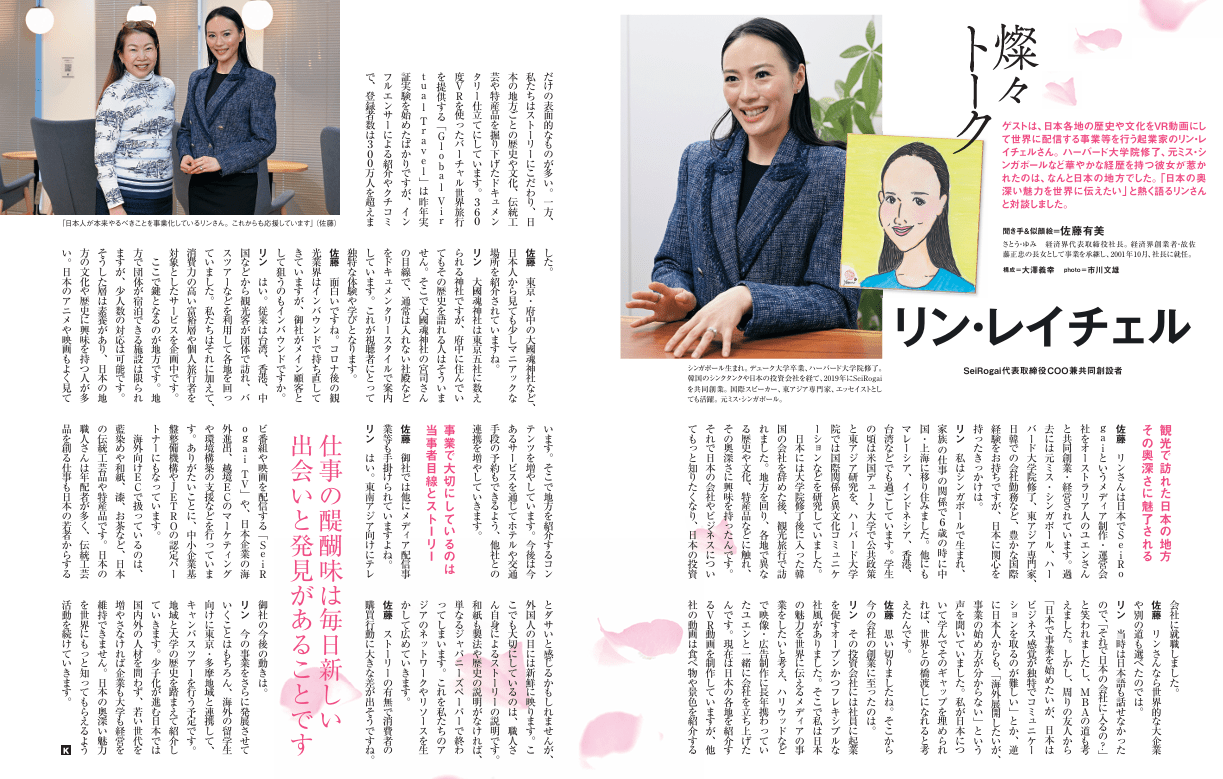
During the Keido interview, I was reminded of another interview I had the pleasure of doing last year with Keizaikai Magazine. Looking back, although the conversations took place more than a year apart and focused on different aspects of our work, they were connected by a consistent thread.
In the Keizaikai interview, I shared a thought that had guided me since my earliest days in Japan.
経道のインタビューを通じて、昨年『経済界』の取材を受けた際のことも改めて思い出しました。振り返ってみると、それぞれのインタビューは1年以上の時を隔てて行われ、異なる側面から私たちの取り組みについて語ったものでしたが、その根底には一貫した想いが流れていたように感じます。
経済界のインタビューでは、私が日本で歩み始めた頃から大切にしてきた、ある一つの考えについてお話ししました。
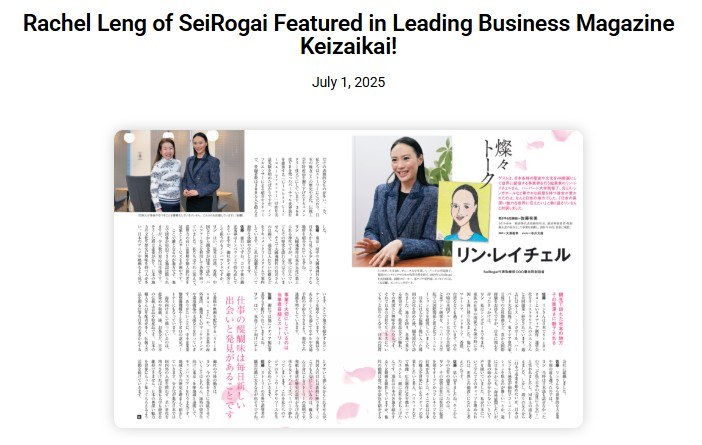
“I believed that if I could truly learn about Japan and help bridge that gap, perhaps I could become a bridge between Japan and the world.”
At the time, I was speaking from personal experience. Having grown up across Singapore and China before studying and working in the United States, Korea and Japan, I became increasingly fascinated by how people from different cultures communicate, build trust and interpret the world around them. My studies in Public Policy and East Asian Studies at Duke University, followed by International Relations and Cross-Cultural Communication at Harvard’s Regional Studies East Asia Master’s program, gave me an academic framework for questions I had already begun exploring through experience.
One lesson has stayed with me throughout that journey: misunderstandings are rarely caused by language alone. More often, they arise because people approach the same information with different assumptions and cultural perspectives.
Moving to Japan reinforced that lesson. As I travelled beyond the major cities, I discovered communities, traditional industries and local businesses with extraordinary stories to tell, yet many struggled to communicate their significance to international audiences. The issue was never quality. Rather, it was that much of their value depended on cultural context that overseas audiences simply did not have.
Over time, I realized that effective international communication is not simply about translating words. It is about translating meaning. That insight became one of the foundations of SeiRogai.
「私が日本について学んでそのギャップを埋められれば、世界との橋渡しになれると考えたんです。」
当時の私は、自身の経験をもとにお話ししていました。シンガポールと中国で育ち、その後、アメリカ、韓国、日本で学び、働く中で、異なる文化的背景を持つ人々がどのようにコミュニケーションを取り、信頼関係を築き、そして世界を理解しているのかに、次第に強い関心を抱くようになりました。デューク大学では公共政策と東アジア研究を、さらにハーバード大学大学院地域研究(東アジア)修士課程では国際関係論と異文化コミュニケーションを学びました。これらの学びは、私が実体験を通して抱いていた問いに、学術的な視点と枠組みを与えてくれました。
その歩みを通じて、今も変わらず心に留めている学びがあります。誤解は、必ずしも言葉の違いだけによって生まれるものではありません。 むしろ、人はそれぞれ異なる前提や文化的背景をもとに、同じ情報を異なる形で受け止め、解釈することから生まれる場合が少なくありません。
日本で暮らすようになってから、その考えはさらに確かなものとなりました。大都市だけでなく地方を訪れる中で、地域社会や伝統産業、そして地元企業には、世界に伝えるべき素晴らしい物語が数多くあることを知りました。しかし、その価値や魅力を海外の人々へ十分に伝えられていないケースも少なくありませんでした。問題は品質ではありません。むしろ、その価値の多くは日本ならではの文化的背景や文脈に支えられており、海外の人々にはその前提が共有されていなかったのです。
そうした経験を重ねる中で、私は国際的なコミュニケーションとは、単に言葉を翻訳することではなく、「意味」を翻訳することなのだと実感するようになりました。この気づきこそが、SeiRogaiを立ち上げる上での重要な礎の一つとなっています。
Storytelling as Cultural Translation
ストーリーテリングという文化の翻訳
Samuel and I came to SeiRogai from very different professional backgrounds, but with surprisingly similar motivations.
Samuel spent many years in filmmaking, advertising and documentary production, believing that stories have the power to move people in ways that facts alone cannot. My own experience lay in international business, investment and cross-cultural communication, where I became increasingly interested in how ideas travel across cultures and what prevents them from doing so. Those perspectives naturally complemented one another.
We never wanted to create content simply because it looked impressive, nor were we interested in adopting technology for its own sake. Instead, we asked a much more practical question: how can stories help people genuinely understand places, communities and cultures that may initially feel unfamiliar?
Many people around the world are already familiar with Japan’s food, popular culture and iconic destinations. Yet some of the country’s richest stories remain relatively unknown: regional traditions, master craftsmen, local communities and the history that gives places their identity.
Information alone rarely captures that depth: A beautifully crafted piece of washi paper is simply paper until you understand the generations of knowledge behind it. A shrine becomes more meaningful when you hear the stories of the people who have cared for it over centuries. A regional town becomes memorable not because of its scenery alone, but because of the people who call it home.
Stories provide that context. They transform information into understanding, and understanding is often what inspires action.
サムミヨルと私は、それぞれ異なるキャリアを歩んできました。しかし、その根底にあった想いは驚くほど共通していました。
サムミヨルは長年にわたり、映画制作、広告、ドキュメンタリー制作に携わり、「物語には、事実だけでは動かせない人の心を動かす力がある」という信念を持ち続けてきました。一方、私は国際ビジネスや投資、異文化コミュニケーションの分野で経験を積む中で、アイデアや価値観がどのように文化を越えて伝わるのか、そして何がその伝達を妨げるのかという問いに強い関心を抱くようになりました。この二つの視点は、ごく自然に補い合うものでした。
私たちは、見栄えの良いコンテンツをつくること自体を目的にしたことはありません。また、テクノロジーを使うことそのものを目的にしたこともありません。私たちが常に問い続けてきたのは、もっと本質的で実践的な問いです。物語は、初めて触れる土地や地域、そして文化を、人々が本当の意味で理解するために、どのような役割を果たせるのだろうか。
世界には、すでに日本の食文化やポップカルチャー、そして象徴的な観光地を知る人が数多くいます。しかし、日本にはまだ十分に知られていない、かけがえのない物語が数多く残されています。地域に受け継がれる伝統、卓越した技を持つ職人、地域社会の営み、そして土地の個性を育んできた歴史です。
情報だけでは、その奥深さを十分に伝えることはできません。美しく漉かれた和紙も、その背景にある何世代にもわたる職人の知恵や技を知って初めて、本当の価値が見えてきます。神社も、何百年にもわたり守り続けてきた人々の物語を知ることで、その存在はより深い意味を持つようになります。地方の町も、美しい景色だけではなく、そこに暮らす人々の営みや想いを知ることで、心に残る場所へと変わります。
物語は、その背景や文脈を伝えてくれます。情報を理解へと変え、その理解こそが、人々の共感や行動を生み出すきっかけになるのです。
Media Technology with Purpose
目的を持ったメディアテクノロジー
As we shared in the Keido interview, GVT was never intended to be simply another platform for watching VR360 videos. Our ambition has always been to connect immersive experiences with meaningful real-world outcomes.
“We aspire to be a company that transforms experiences into visits, purchases and deeper understanding.”
That distinction is important because we have never viewed virtual experiences as a replacement for physical travel. Rather, they are designed to lower barriers to engagement—whether that means inspiring someone to visit a destination, explore a university, discover a traditional craft or better understand a local community before taking the next step.
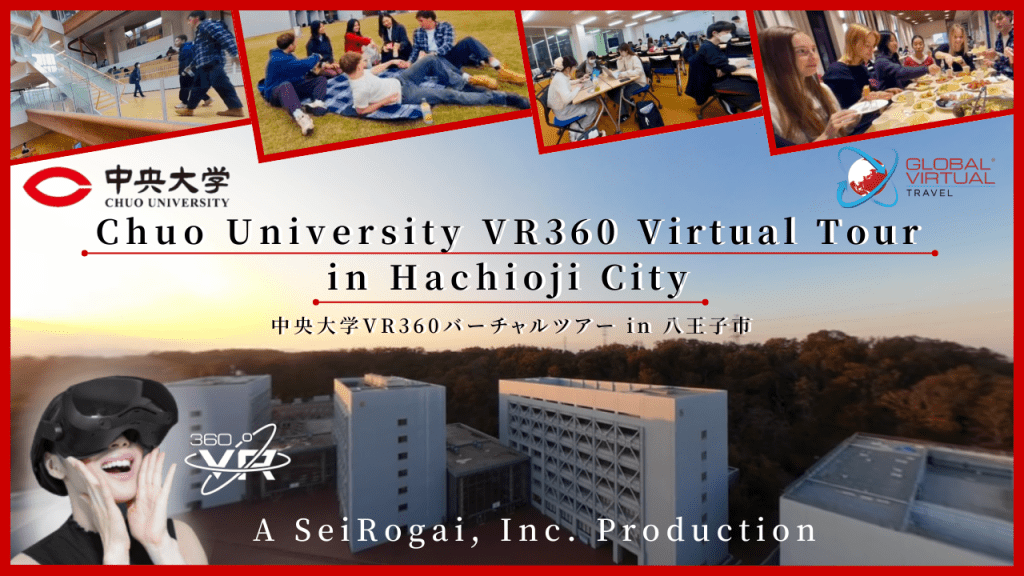
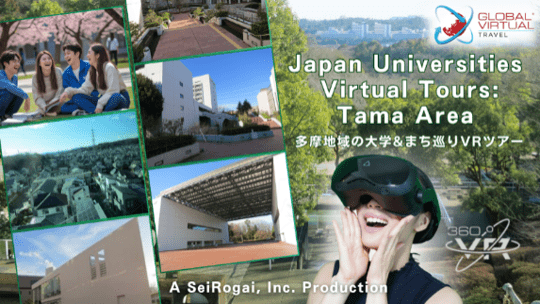
Over the past year, we have been encouraged to see this philosophy reflected across an increasingly diverse range of projects. Working with the Tokyo Metropolitan Government, Chuo University and regional partners including the Keio Group, we explored how immersive campus and town experiences could help international students discover educational opportunities in Japan. Around 70% of platform visitors came from overseas, and some campaigns achieved click-through rates of up to 64%—far exceeding the sub-1% engagement typically seen in digital marketing. More importantly, participants reported stronger interest in both the universities and the Tama region, suggesting that immersive storytelling can influence genuine curiosity and decision-making rather than simply attracting attention.
経道のインタビューでもお話ししたように、GVTは単にVR360動画を視聴するための、もう一つのプラットフォームを目指して生まれたものではありません。私たちの目標は常に、没入型体験を意味のある現実世界での価値や成果へとつなげていくことでした。
「体験を、来訪・購買・理解につなげる会社」
この違いは、私たちにとって非常に重要です。私たちは、バーチャル体験を実際の旅行や現地体験の代替手段とは考えていません。むしろ、人々が次の一歩を踏み出すためのハードルを下げるものだと考えています。例えば、実際にその場所を訪れてみたいと思うきっかけになったり、大学についてより深く知る機会になったり、日本の伝統工芸に興味を持ったり、地域社会への理解を深めたりすること。そのような行動を後押しすることこそが、私たちの目指す役割です。
この1年を振り返ると、こうした理念がさまざまなプロジェクトを通じて形になり始めていることを、大変心強く感じています。東京都、中央大学、そして京王グループをはじめとする地域のパートナーの皆様とともに、没入型のキャンパス体験や地域体験を通じて、海外の学生が日本の教育機会や地域の魅力に触れられる取り組みを進めてきました。
その結果、プラットフォーム訪問者の約70%が海外からのアクセスとなり、一部のキャンペーンではクリック率(CTR)が最大64%に達するなど、一般的なデジタルマーケティングで見られる1%未満の水準を大きく上回る成果が得られました。それ以上に意義深かったのは、参加者から大学や多摩地域への関心が高まったという声が数多く寄せられたことです。このことは、没入型のストーリーテリングが、単に人々の注意を引くだけでなく、本物の興味や理解、そして意思決定にも影響を与え得ることを示しているのではないかと考えています。
SeiRogaiの観光DX×留学生誘致プロジェクトが多摩イノベーションエコシステム促進事業公式サイトに掲載
多摩地域の留学生増加促進と観光振興に寄与する「360度VRで体験する大学&まち巡りキャンパスツアー」の検証 (多摩市公式発表)
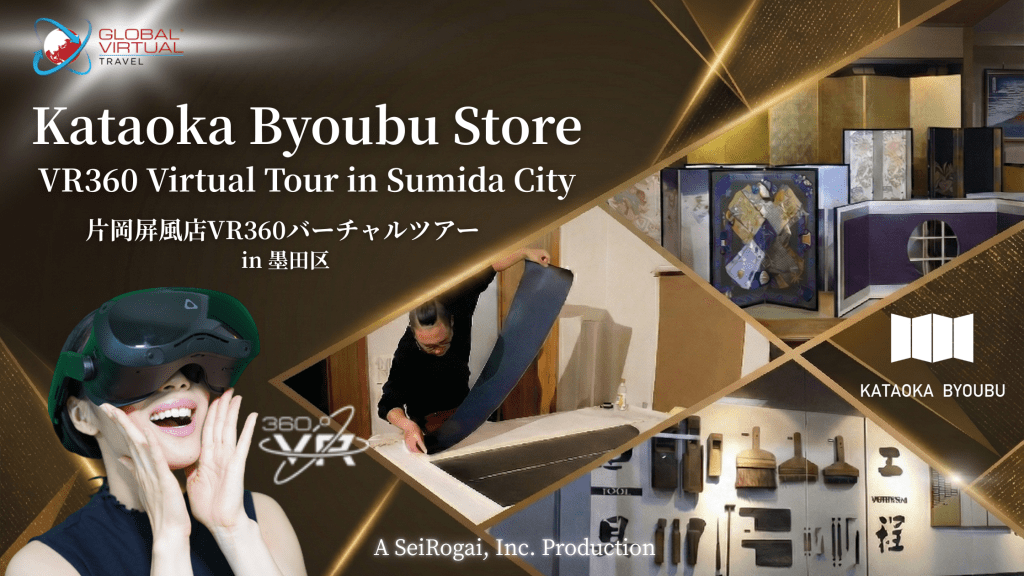
The same principles have also guided our work beyond tourism and education. Through our collaboration with Kataoka Byoubu, one of Japan’s long-established traditional folding screen manufacturers, we have been exploring how documentary storytelling, VR360, and digital technologies can help preserve and communicate traditional craftsmanship for new domestic and international audiences. Rather than treating heritage as something static, the project asks how centuries of craftsmanship can remain relevant in a rapidly changing world by making the stories behind the artisans and their work more accessible.
この考え方は、観光や教育の分野にとどまらず、私たちのさまざまな取り組みの指針となっています。日本の老舗屏風メーカーである片岡屏風店との協業では、ドキュメンタリーストーリーテリング、VR360、そしてデジタル技術を活用し、日本の伝統工芸を国内外の新たな世代へ伝え、その価値を未来へつないでいく方法を模索してきました。私たちは、文化遺産を単に「守るべきもの」として捉えるのではなく、職人やその仕事の背景にある物語をより多くの人々に届けることで、何世紀にもわたって受け継がれてきた技や文化が、変化の激しい現代社会においても新たな価値を持ち続けられるのではないかと考えています。
没入型ストーリーテリングから“購買行動”へ SeiRogaiの「Global Virtual Travel」が実証した、VR観光DXによるブランド価値訴求と実際の顧客行動変容
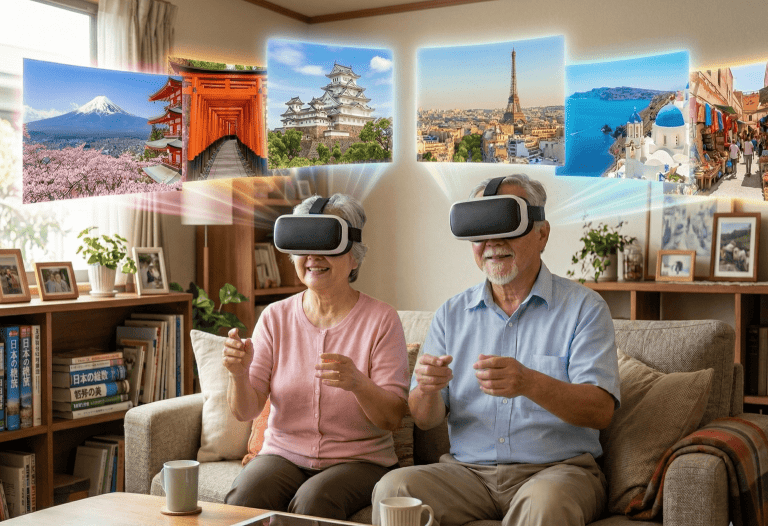
We have also been honoured to receive approval from the Tokyo Metropolitan Government for a five-year Business Innovation Plan to develop immersive VR services aimed at improving the quality of life of older adults. For me, this initiative represents one of the most meaningful applications of technology. Curiosity and the desire to explore do not disappear simply because mobility becomes more limited. If immersive experiences can help someone revisit cherished memories, discover somewhere they have always wanted to see, or simply spark conversation and connection, then technology is serving a purpose far beyond entertainment.
また、東京都より、高齢者のQOL向上を目指したVRサービスの展開に向けた「5年間の経営革新計画」の承認をいただいたことも、私たちにとって大きな誇りです。私にとって、この取り組みはテクノロジーの可能性を最も意義ある形で活かす取り組みの一つです。移動が以前より制限されるようになったとしても、好奇心や新しい世界を探求したいという想いが失われることはありません。没入型体験を通じて、大切な思い出の場所をもう一度訪れたり、いつか見てみたいと願っていた場所を発見したり、あるいは会話や人とのつながりを生み出すきっかけになったりすることができるのであれば、テクノロジーは単なる娯楽を超えた価値を提供できるのだと考えています。
株式会社SeiRogai、東京都より経営革新計画の承認を取得|高齢者のQOL向上を実現するVRサービスを展開へ
Looking across these projects – from universities and regional revitalisation to traditional industries and healthy ageing – I am reminded that the technology itself is rarely the most interesting part. What matters is whether it helps people better understand a place, a culture, a craft or one another.
As AI rapidly transforms how we create and access information, I believe this human dimension will become even more important. AI will undoubtedly accelerate research, translation and content creation, and we actively explore how it can strengthen our own work. But while AI can explain what something is, it cannot fully convey why it matters. That still depends on context, empathy and authentic human stories—and those are qualities that technology should enhance, not replace.
こうして振り返ると、大学との連携、地域活性化、伝統産業、そして高齢者のウェルビーイングまで、私たちが携わってきたプロジェクトは多岐にわたります。しかし、どの取り組みにおいても、最も重要なのはテクノロジーそのものではありません。本当に大切なのは、その技術が、人々に土地や文化、ものづくり、そして人と人とのつながりをより深く理解してもらう助けとなっているかどうかだと考えています。
AIが情報の創出や活用のあり方を大きく変えつつある今、この「人間らしさ」の価値は、これまで以上に重要になっていくと私は考えています。AIは、調査や翻訳、コンテンツ制作を飛躍的に効率化し、私たち自身もその可能性を積極的に探求しています。しかし、AIが「それが何であるか」を説明することはできても、「なぜそれが大切なのか」を完全に伝えることはできません。そのためには、背景や文脈への理解、相手への共感、そして人が紡ぐ本物の物語が欠かせません。だからこそ、テクノロジーは人間の価値を置き換えるものではなく、その価値をより豊かに引き出す存在であるべきだと考えています。
Leadership, Learning and Building an Organisation
リーダーシップ、学び、そして組織づくり
As SeiRogai has grown, I have also found myself thinking differently about leadership.
One topic we discussed during the Keido interview was the importance of sharing judgement rather than simply giving instructions. In a startup environment, situations change too quickly for every decision to be captured in a manual. What matters is helping people understand the principles behind those decisions so they can exercise good judgement independently.
This is something I often encourage within our own team, particularly when mentoring interns and younger colleagues.
Technical skills are important, but curiosity, adaptability and a willingness to keep learning are equally essential. Some of the most valuable lessons in a startup come not from following a process perfectly, but from asking thoughtful questions, seeking feedback and learning to connect ideas across different disciplines.
That mindset also reflects the culture we hope to build at SeiRogai. We work across technology, education, tourism, media and international business, which means our team members are constantly exposed to new perspectives. Rather than staying within narrow specialisations, we encourage people to understand the broader context of the work and to remain open to continuous learning.
Looking back, I realise that the same qualities which matter in cross-cultural communication – curiosity, humility and empathy – also make for better leaders.
SeiRogaiの成長とともに、私自身もリーダーシップについて考える機会が増えました。
経道のインタビューでは、単に指示を伝えるのではなく、判断の背景や考え方を共有することの大切さについてもお話ししました。スタートアップの環境では、変化のスピードがあまりにも速く、すべての判断をマニュアルに落とし込むことはできません。大切なのは、一つひとつの判断の背後にある原則や考え方を理解してもらうことです。そうすることで、メンバー一人ひとりが自ら考え、適切な判断を下せるようになります。
これは、私がインターンや若いメンバーを指導する際にも、日頃から意識していることです。
技術的なスキルはもちろん重要です。しかし、それと同じくらい大切なのは、好奇心を持ち続けること、変化柔軟に対応すること、そして学び続ける姿勢です。スタートアップで得られる最も大きな学びは、決められた手順を完璧にこなすことだけではありません。良い問いを立てること、周囲からのフィードバックを素直に受け入れること、そして異なる分野の知識や経験を結び付けながら考える力を養うことにあると感じています。
そうした姿勢は、私たちがSeiRogaiで育んでいきたい組織文化にも通じています。私たちは、テクノロジー、教育、観光、メディア、そして国際ビジネスといった多様な分野にまたがって事業を展開しているため、チームメンバーは日々さまざまな視点や価値観に触れる機会があります。だからこそ、一つの専門分野だけにとどまるのではなく、仕事全体の背景や目的を理解し、常に新しいことを学び続ける姿勢を大切にしています。
振り返ってみると、異文化コミュニケーションにおいて重要だと感じてきた資質――好奇心、謙虚さ、そして共感力――は、そのまま優れたリーダーに求められる資質でもあるのだと実感しています。
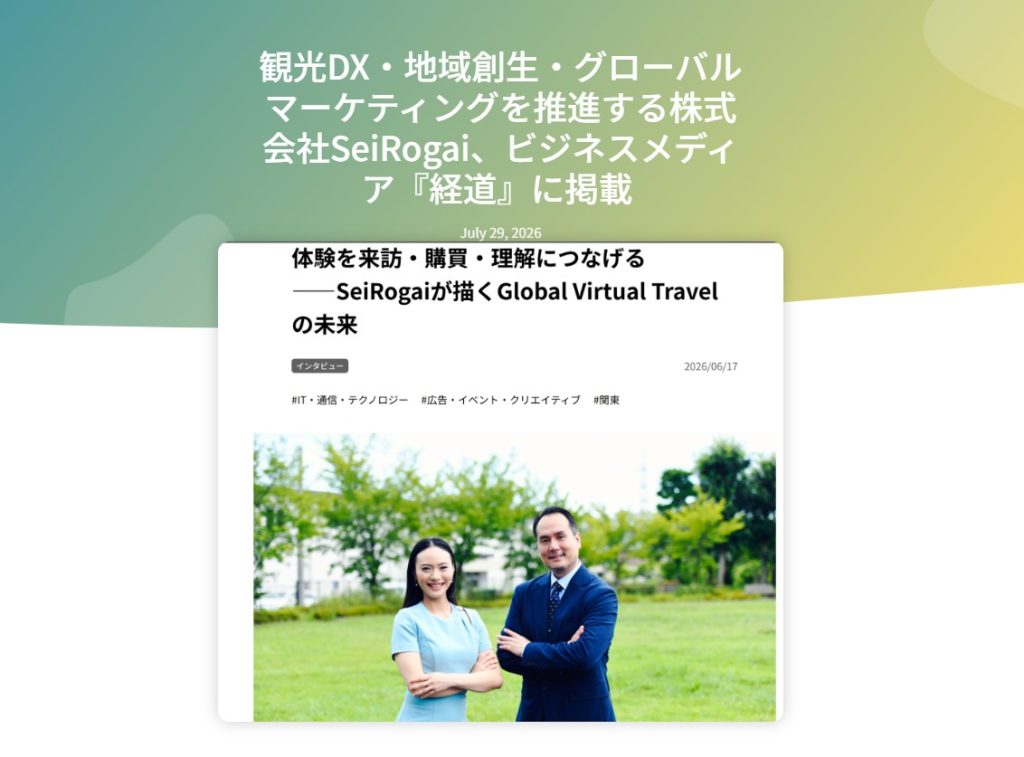
Explore our conversation on innovation, storytelling, and immersive technology in the full interview on the SeiRogai website.
SeiRogai公式ウェブサイトで、イノベーション、ストーリーテリング、そして没入型テクノロジーについて語ったインタビュー全文をご覧ください。
Looking Ahead
これからに向けて
The pace of technological change today is extraordinary. Artificial intelligence, immersive media and digital platforms will continue to reshape how we communicate, learn and experience the world. Many of the tools we rely on today will undoubtedly look very different only a few years from now.
Yet I suspect that the most important principles will remain unchanged.
People will still seek authentic experiences.
Communities will still value meaningful relationships.
Stories will still shape how we understand one another.
And trust will continue to be built through genuine human connection.
As I compare the Keizaikai interview from last year with our recent Keido conversation, I am encouraged less by how much our company has changed than by how consistent its purpose has remained.
We did not set out simply to build a VR platform or a technology company. We wanted to help Japanese organisations communicate more effectively with international audiences, and to make it easier for people around the world to discover the richness of Japan beyond the familiar headlines and tourist attractions.
Today, that mission has expanded into education, regional revitalisation, healthy ageing and international collaboration, but the underlying philosophy is still the same. Technology should create opportunities for deeper understanding, not simply more information.
If our work helps someone discover a region they later choose to visit, inspires an international student to study in Japan, enables a traditional artisan to reach new audiences, or allows an older adult to experience the joy of exploration once again, then we have achieved something meaningful.
In the years ahead, I hope SeiRogai will continue building not only new platforms, but new connections – between cultures, generations, industries and communities. Those connections ultimately matter far more than the technology itself.
今日のテクノロジーの進化のスピードには、目を見張るものがあります。人工知能、没入型メディア、そしてデジタルプラットフォームは、これからも私たちがコミュニケーションを取り、学び、世界を体験する方法を大きく変えていくことでしょう。今、私たちが当たり前のように利用している多くのツールも、数年後には大きく姿を変えているに違いありません。
それでも、最も大切な原則は変わらないのではないかと私は考えています。
人はこれからも、本物の体験を求め続けるでしょう。
地域社会は、これからも意味のある人とのつながりを大切にしていくでしょう。
物語は、これからも私たちが互いを理解するための大切な役割を果たし続けるでしょう。
そして、信頼はこれからも、人と人との誠実なつながりの中で育まれていくでしょう。
昨年の経済界でのインタビューと、今回の経道での対談を振り返る中で、私が励まされたのは、会社がどれほど変化してきたかということ以上に、その目的や志が一貫して受け継がれているという事実でした。
私たちは、単にVRプラットフォームやテクノロジー企業をつくることを目指していたわけではありません。日本の企業や団体が海外の人々へより効果的にその価値を伝えられるよう支援し、世界中の人々が、日本の有名な観光地や広く知られた魅力だけではなく、その奥にある豊かな文化や地域の物語に出会うきっかけをつくりたい。その想いこそが、私たちの原点でした。
現在、その使命は教育、地域活性化、高齢者のウェルビーイング、そして国際連携へと広がっています。しかし、その根底にある理念は何一つ変わっていません。テクノロジーは、単により多くの情報を届けるためのものではなく、人々の理解をより深める機会を生み出すものであるべきだと、私たちは考えています。
私たちの取り組みが、誰かに地域を訪れるきっかけを与えたり、海外の学生が日本への留学を志す後押しになったり、伝統工芸の職人が新たな人々と出会う機会を生み出したり、あるいは高齢者が再び「旅する喜び」や「新しい世界に触れる楽しさ」を感じられるきっかけになったりするのであれば、それは私たちにとって大きな意味のある成果です。
これからもSeiRogaiは、新しいプラットフォームをつくるだけでなく、新しい「つながり」を築き続けていきたいと考えています。文化と文化、人と人、世代と世代、産業と産業、そして地域と世界を結ぶつながりです。私たちにとって、本当に価値があるのは、テクノロジーそのものではなく、それによって生まれる人と人とのつながりなのです。
Further Reading/Related Links:
関連記事・関連リンク
Keido Online Magazine (June 2026)
Connecting experiences to visits, purchases, and understanding—SeiRogai’s vision for the future of Global Virtual Travel
体験を来訪・購買・理解につなげる――SeiRogaiが描くGlobal Virtual Travelの未来
Keizaikai Magazine (May 2025)
The best part of my job is the new encounters and discoveries I make every day. – Rachel Leng
仕事の醍醐味は毎日新しい出会いと発見があることです — リン・レイチェル
Kumin News Interviews [July 2023]
[A bridge between Japan and the world] – Rachel Leng, CEO and COO of SeiRogai, Inc.
【日本と世界の架け橋となる】〜株式会社SeiRogai 代表取締役COO Rachel Leng さん〜
Minato Sansin Interviews [March 2023]
SeiRogai, Inc. aims to be a “bridge” that conveys the best of Japan to the world and enables companies to expand overseas
株式会社SeiRogai 日本の良さを海外に伝え、企業の海外進出を叶える「架け橋」でありたい。