Reflections from JETRO Kagawa on market selection, the meaning of Japanese quality, and the management decisions behind cross-border e-commerce.
JETRO香川でのセミナーを振り返り、市場選定、日本品質の伝え方、越境ECを支える経営判断を考える。
A product’s reputation at home does not automatically explain its value abroad. For Japanese companies considering ASEAN, a central challenge is to understand which strengths matter to a particular customer, and how to communicate them. That question should shape the choice of an e-commerce platform, as well as the investment that follows.
国内での評価だけで、海外でも商品の価値が伝わるとは限りません。ASEAN展開を検討する日本企業にとって重要なのは、自社のどの強みが、どの顧客にとって意味を持ち、それをどう伝えるかを考えることです。その問いを、ECプラットフォームの選択や、その後の投資判断につなげたいところです。
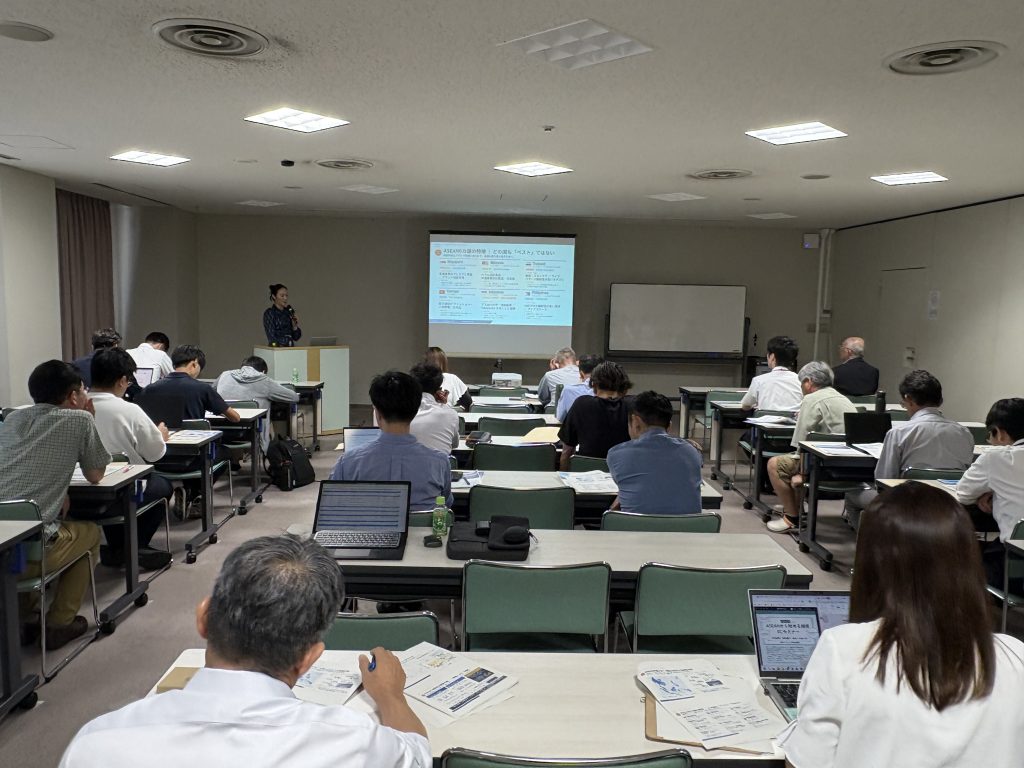
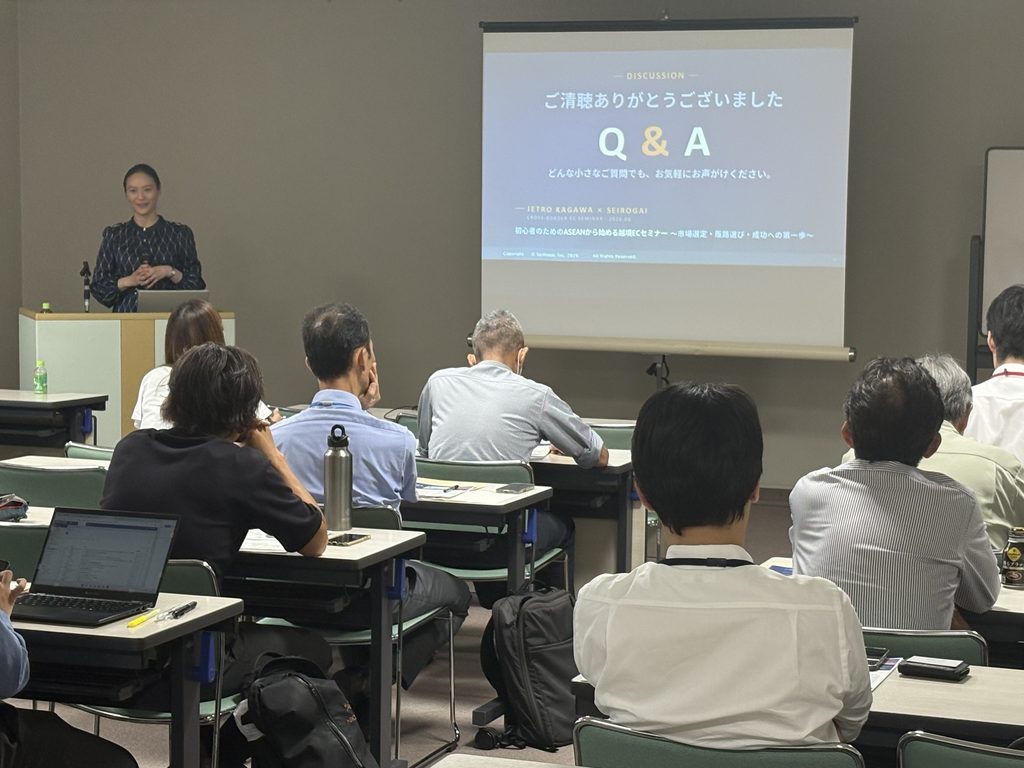
リン・レイチェルが約30社の企業関係者を対象に、市場選定や海外販路の拡大戦略に関するセッションを実施しました。
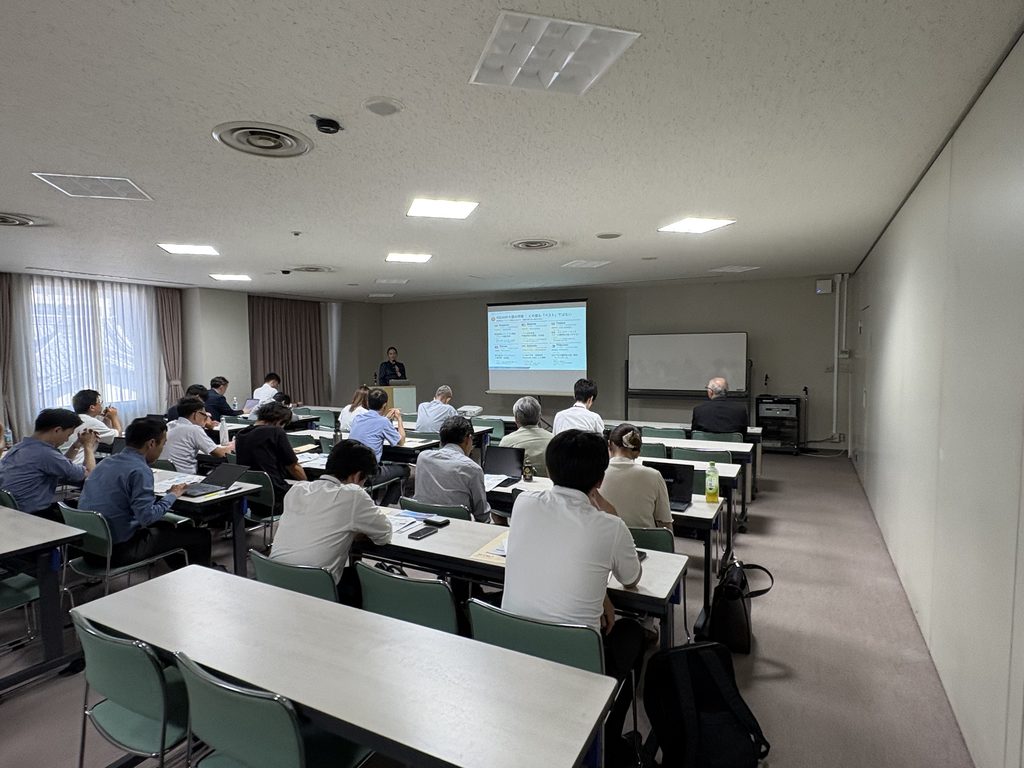
This was the central argument of the seminar I delivered for JETRO Kagawa on August 25, 2026. Organized by JETRO Kagawa and Kagawa Prefecture, with the Takamatsu Chamber of Commerce and Industry as co-organizer, it brought together approximately 30 participants to consider market selection and overseas sales. Shikoku Shimbun featured the seminar in its August 26 print edition under the headline “Expanding Business Opportunities in ASEAN.”
2026年8月25日、JETRO香川のセミナーでお伝えしたかったのも、この考え方でした。JETRO香川・香川県主催、高松商工会議所共催のもと、約30名の参加者の皆様と、市場選定や海外販路について考えました。翌8月26日付の四国新聞では、「ASEANで商機拡大を」。
The newspaper also included the perspective of a local workwear business developing an outdoor apparel brand and considering overseas sales. That detail matters: for a regional company, expansion is a decision about where to commit people, money, and attention. A digital storefront makes a product available; management still has to establish why customers would choose it and whether the business can serve them sustainably.
記事には、アウトドア向けブランドを展開し、海外販路を検討する地元の作業服販売企業の声も紹介されていました。地域企業にとって、海外展開は、人材、資金、時間をどこに配分するかという判断でもあります。オンラインで商品を購入できる状態にしても、顧客がそれを選ぶ理由や、継続して対応できる事業体制は、別途考える必要があります。
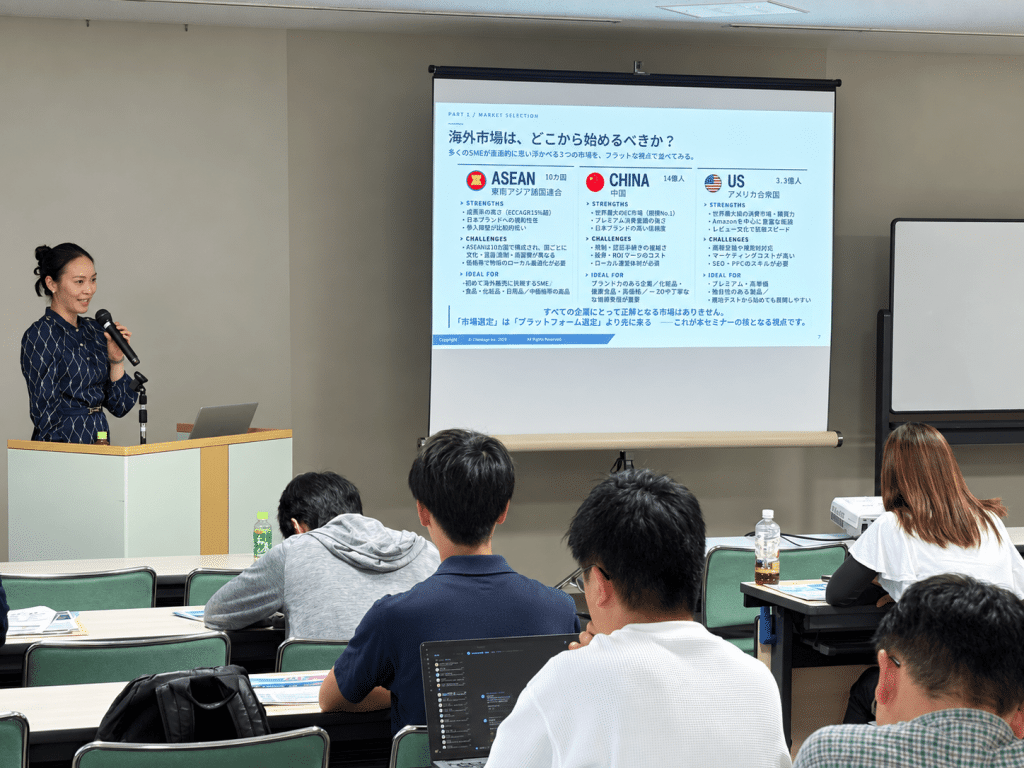
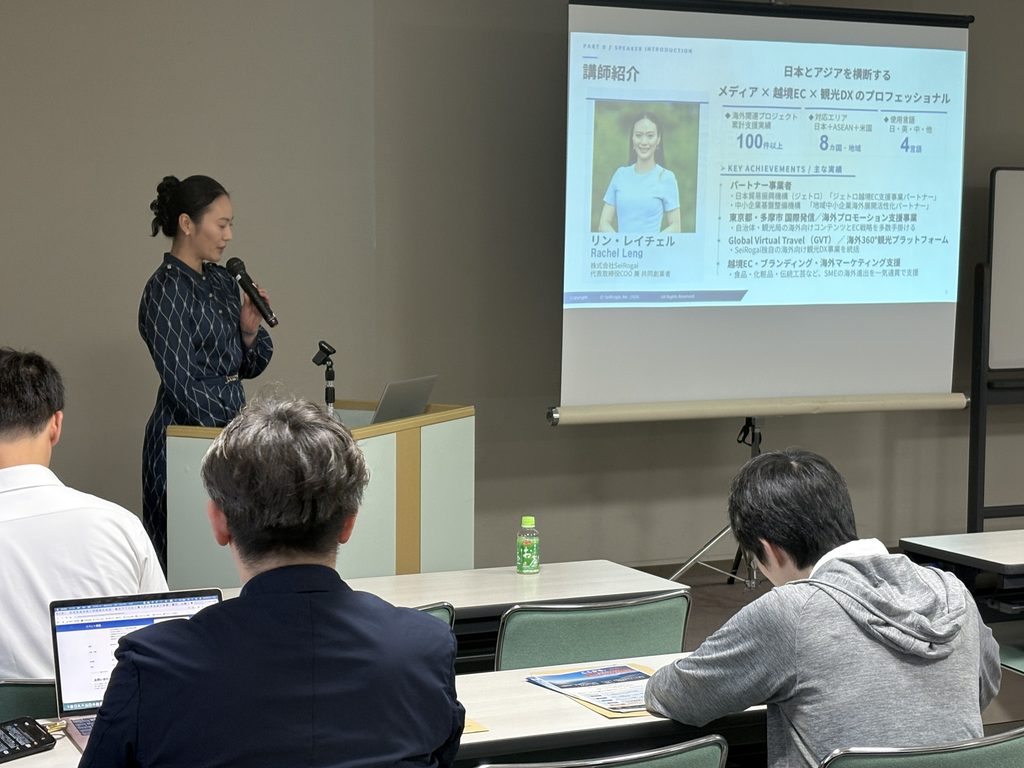
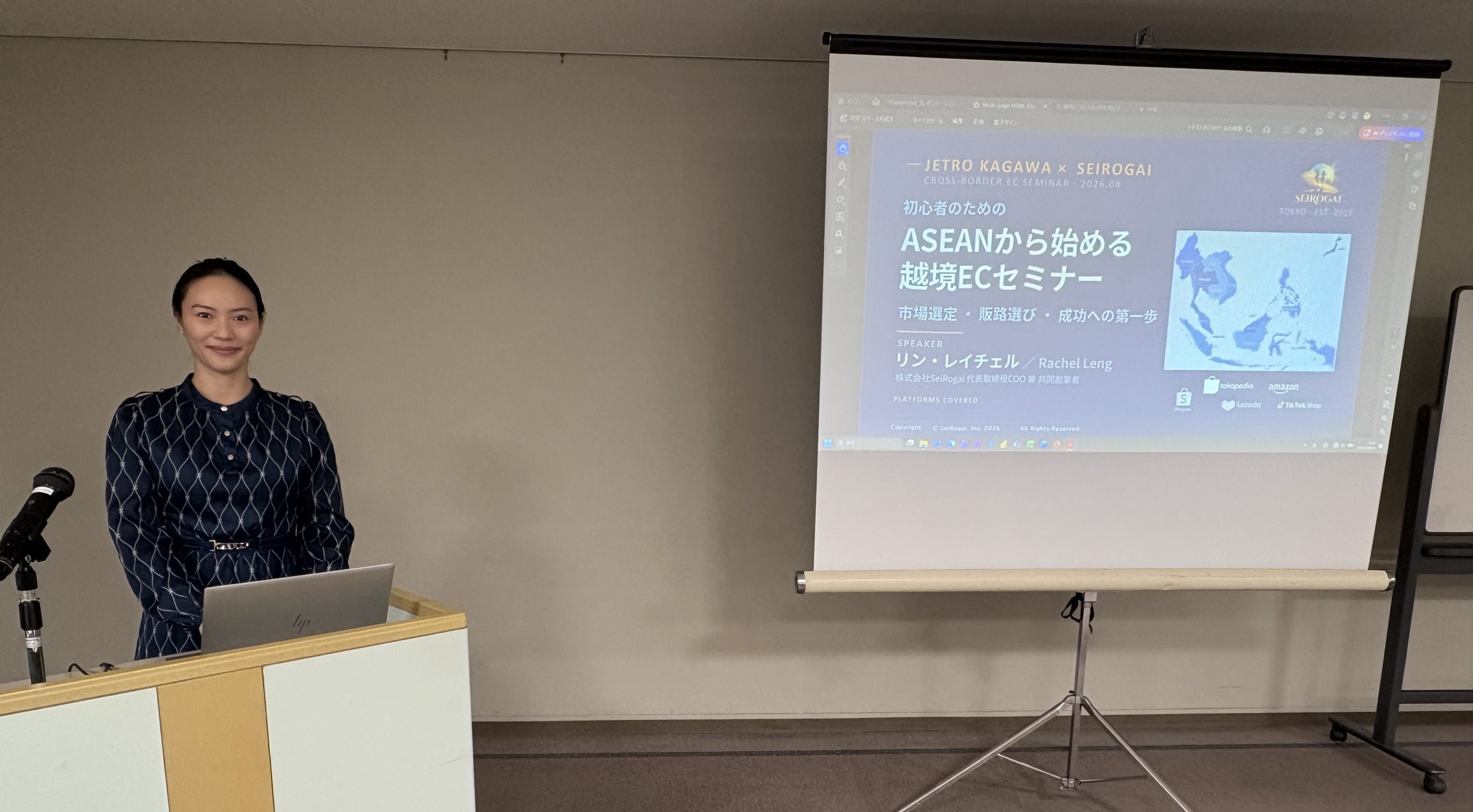
2026年8月25日、高松で開催されたJETRO香川ASEAN越境ECセミナーに登壇する、SeiRogai代表取締役COO兼共同創業者リン・レイチェル。
Official Kagawa Prefecture seminar announcement / 香川県の公式セミナー案内
SeiRogai’s seminar report / SeiRogaiのセミナーレポート
Read the Shikoku Shimbun digital article in Japanese / 四国新聞デジタル版の記事を読む
Digital access may require registration or a subscription. / 閲覧には会員登録または購読が必要な場合があります。
Define the customer before choosing the channel
販路を選ぶ前に 顧客を定める
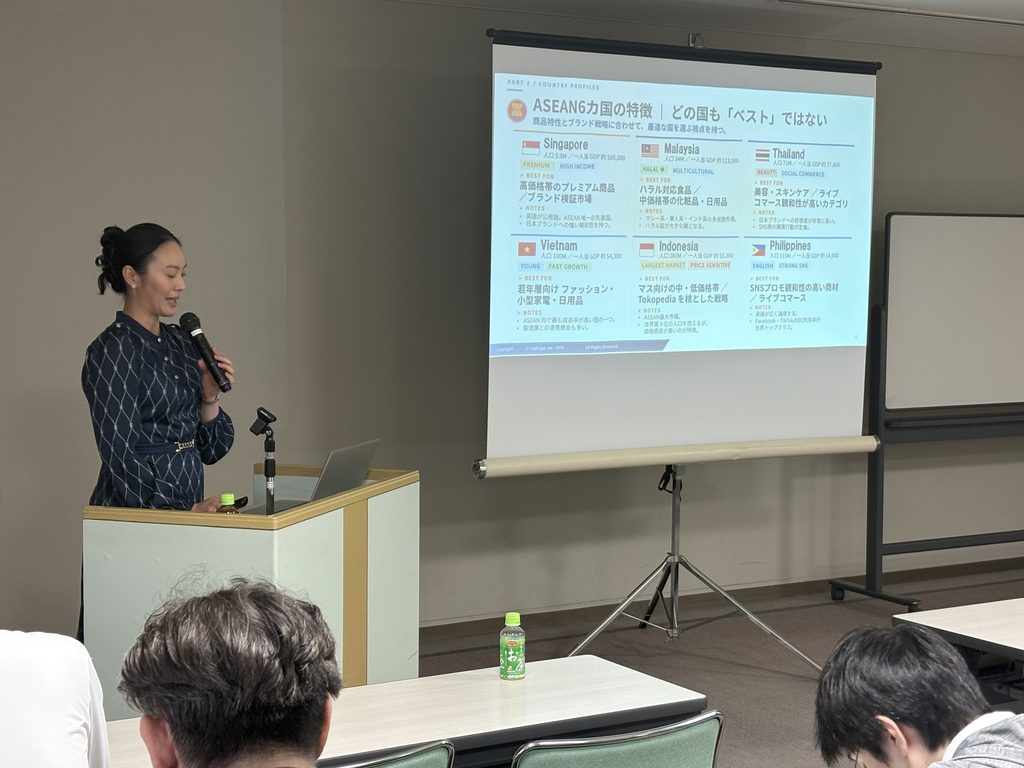
ASEAN is a useful regional frame for business planning, but it is too broad to serve as a customer profile. The seminar examined Singapore, Malaysia, Thailand, Vietnam, Indonesia, and the Philippines, alongside comparisons with China and the United States. The purpose was to identify differences in demand, competition, costs, and preparation that could change a company’s decision.
ASEANという地域の枠組みは事業計画に役立ちますが、それだけでは顧客像を描けません。セミナーでは、シンガポール、マレーシア、タイ、ベトナム、インドネシア、フィリピンを取り上げ、中国や米国との比較も行いました。需要、競争、費用、必要な準備の違いが、自社の判断にどう影響するかを考えるためです。
Coming from Singapore and working in Japan has made me more attentive to differences in customer expectations. My own experience offers a starting point, rather than an answer for every market. A premium proposition in Singapore needs evidence of demand from the intended segment. A food business considering Malaysia or Indonesia should examine its customers’ dietary needs and relevant halal requirements. Within each country, purchasing power and preferences also vary.
シンガポール出身で日本で仕事をする中で、顧客の期待の違いに、より目が向くようになりました。ただ、自分の経験は考え始める手がかりであり、どの市場にも当てはまる答えではありません。シンガポールで高価格帯の商品を展開するなら、対象顧客の需要を確かめる必要があります。マレーシアやインドネシアを検討する食品企業なら、顧客の食習慣や該当するハラール要件を確認したいところです。同じ国の中でも、購買力や好みには違いがあります。
Platforms such as Shopee, Lazada, TikTok Shop, or Amazon should be assessed against the customer and the business model. A marketplace can offer a familiar shopping environment; an owned website can give a brand more space to explain itself; a distributor can bring local relationships and operating knowledge. These routes can complement one another. Their usefulness depends on customer fit, costs, seller requirements, and the team available to operate them.
Shopee、Lazada、TikTok Shop、Amazonなどのプラットフォームも、顧客像と事業モデルに照らして検討すべきです。ECモールには買い物に慣れた環境があり、自社サイトにはブランドを詳しく伝える余地があります。代理店は、現地の関係性や運営知識を補うことができます。これらを併用する選択もあります。どの販路が役立つかは、顧客との相性、費用、出店条件、運営できる体制によって変わります。
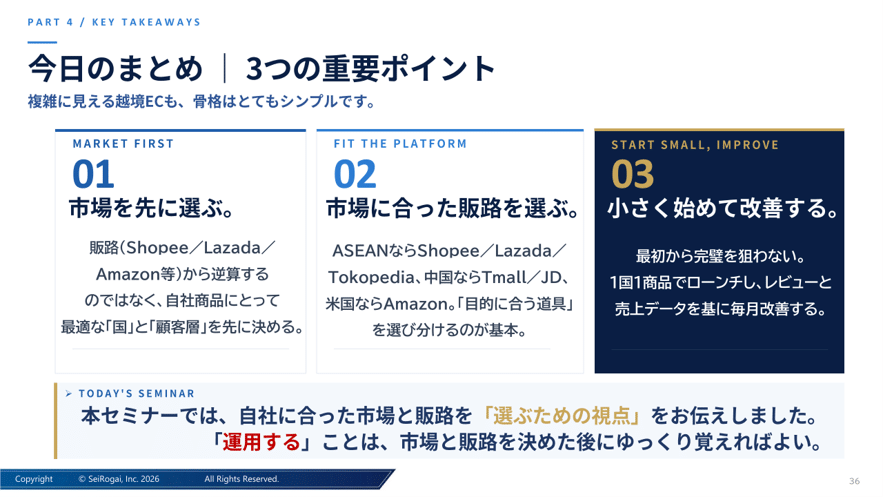
セミナーでお伝えした3つの基本:市場を先に選び、市場に合う販路を選び、小さく始めて改善する。
Source | 出典: SeiRogai Seminar Deck(セミナー資料), Slide 36(スライド36)
Make Japanese quality relevant to everyday life
日本の品質を 日々の暮らしに結びつける
“Made in Japan” may invite interest, but it leaves much of the purchase decision unexplained. What will the product do for the customer? Why does it cost more than an alternative? How should it be used? A company’s investment in quality becomes commercially meaningful when the buyer can connect it to a benefit they value.
「日本製」という言葉が関心を引いても、それだけで購入の判断に必要なことが伝わるわけではありません。自分にとって何が役立つのか。ほかの商品より高いのはなぜか。どう使えばよいのか。企業が品質に注いだ努力は、顧客が大切にするメリットと結びついたとき、選ぶ理由になり得ます。
For a food product, that may involve explaining serving occasions, ingredients, and storage. For skincare, it may mean showing how the product fits into a routine, with supportable claims. For a craft product, it may require demonstrating use and care alongside the skill behind its production. Translation helps people read the description. Localization also considers what they need explained, which references make sense to them, and what gives them confidence to purchase.
食品であれば、食べる場面、原材料、保存方法を伝えることかもしれません。スキンケアなら、根拠のある表現で、日々のケアへの取り入れ方を示す。工芸品なら、制作技術とともに、使い方やお手入れを見せる必要があるでしょう。翻訳は説明を読めるようにします。ローカライズではさらに、何を説明すべきか、どの表現が理解されやすいか、何が購入時の安心につながるかを考えます。
My earlier work in business development at a Japanese investment fund encouraged me to examine how an opportunity becomes a viable business. At SeiRogai, our work in branding and media brings a related question into focus: how does the customer recognise the value? Research, product pages, video, reviews, and local communication need to inform one another. Attractive content has a commercial purpose when it helps resolve uncertainty in the buying decision.
以前、日本の投資会社で事業開発に携わった経験から、機会をどう事業として成り立たせるかを考えるようになりました。SeiRogaiのブランディングやメディア制作では、そこに、顧客が価値をどう認識するかという問いが加わります。調査、商品ページ、映像、レビュー、現地での発信を、互いに活かしていくことが必要です。魅力的なコンテンツも、購入を迷う理由を解消する助けになることで、事業上の意味を持ちます。
Treat operating capacity as a market entry decision
運営体制も 市場参入の判断に含める
The ease of opening an online storefront can obscure the work behind each order. Shipping, import requirements, labeling, customer enquiries, and returns affect the customer’s experience and the seller’s margin. Platform fees, advertising, and staff time also belong in the calculation. Sales growth is difficult to sustain if the operating model depends on costs or responsibilities that have not been accounted for.
オンラインで販売を始めやすい分、一件の注文を支える仕事が見えにくくなることがあります。配送、輸入要件、表示、問い合わせ、返品は、顧客体験と利益の両方に影響します。手数料、広告費、担当者の時間も、採算の計算に含めたいところです。費用や責任の所在が曖昧な運営では、売上が伸びても事業を続けにくくなります。
A focused launch can help a company learn before committing more resources. Choose an initial customer group, market, and product range; prepare the relevant requirements; then review customer questions, conversion, repeat purchases, and margin after costs. The aim is to find out whether the proposition and operation work together. A test becomes useful when the team knows what evidence would support expansion, adjustment, or a pause.
対象を絞った販売開始は、さらに資源を投入する前に学ぶ機会になります。最初の顧客層、市場、商品群を定め、必要な要件を確認したうえで、顧客の質問、購入率、リピート、費用を差し引いた利益を見る。確かめたいのは、商品の提案と運営が、一つの事業として成り立つかです。どの結果なら拡大し、見直し、あるいは一度立ち止まるのかを決めておくと、試す意味が明確になります。
This also clarifies where outside support is useful. Market research, local partner development, export preparation, and marketing are connected decisions, even when different people handle them. For leaders of smaller companies, the practical question is which capabilities to build internally and where a specialist or local partner can help. Coordinating those responsibilities deserves attention before the first order arrives.
こう考えると、外部の支援が役立つところも整理しやすくなります。市場調査、現地パートナー開拓、輸出準備、マーケティングは、担当者が異なっていても、つながった判断です。中小企業の経営者にとっては、何を社内で担い、どこで専門家や現地パートナーの力を借りるかが、実務上の課題になります。最初の注文を受ける前に、その役割分担を整えておきたいところです。
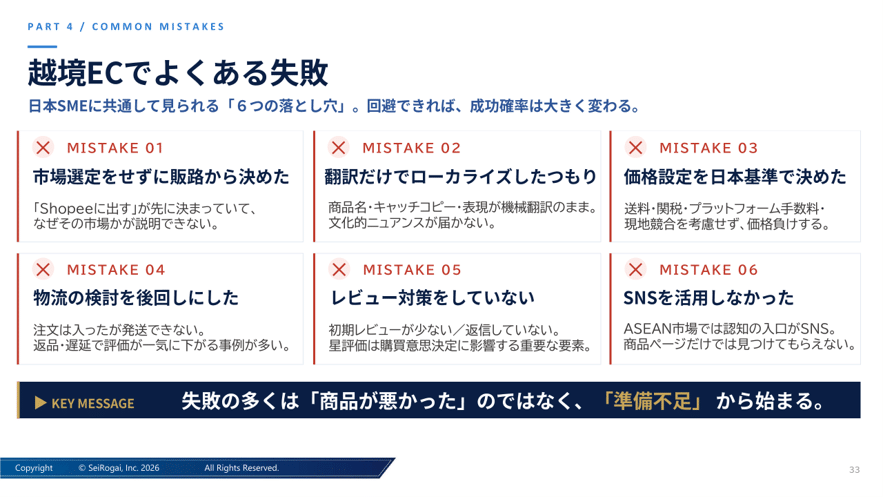
セミナーで取り上げた6つの落とし穴:市場より先に販路を決める、翻訳だけで済ませる、費用全体を見落とす、物流を後回しにする、レビューを軽視する、SNSでの認知を考えない。
Source | 出典: SeiRogai Seminar Deck(セミナー資料), Slide 33(スライド33)
A firmer basis for the next decision
次の判断を支えるために
Regional businesses can hold skills and knowledge that are valuable beyond their home market. Finding customers overseas may create opportunities for the company and its community, but that possibility needs a workable commercial foundation. The discussion in Kagawa, and its coverage in Shikoku Shimbun, brought that question into a regional business context.
地域企業が持つ技術や知識は、国内の市場を越えて価値を持つ可能性があります。海外の顧客との出会いは、企業や地域の機会につながるかもしれません。ただ、その可能性を支えるには、事業として成り立つ土台が必要です。香川でのセミナーと四国新聞での紹介は、地域の企業の立場から、この問いを考える機会になりました。
Looking back, I return to a simple management task: choose a customer group and examine the offer from its perspective. What is clear? What needs explaining? Can the company deliver the experience it promises at a sustainable cost? Answering those questions gives an overseas plan a firmer basis, and gives leaders a clearer reason for the next investment.
振り返ると、顧客層を定め、その人たちの視点から商品を見直すという、基本的な経営の仕事に行き着きます。何が伝わり、何に説明が必要なのか。約束した体験を、継続できる費用で届けられるのか。その問いに答えていくことが、海外展開の計画を支え、次の投資を判断する理由を明確にしてくれると思います。
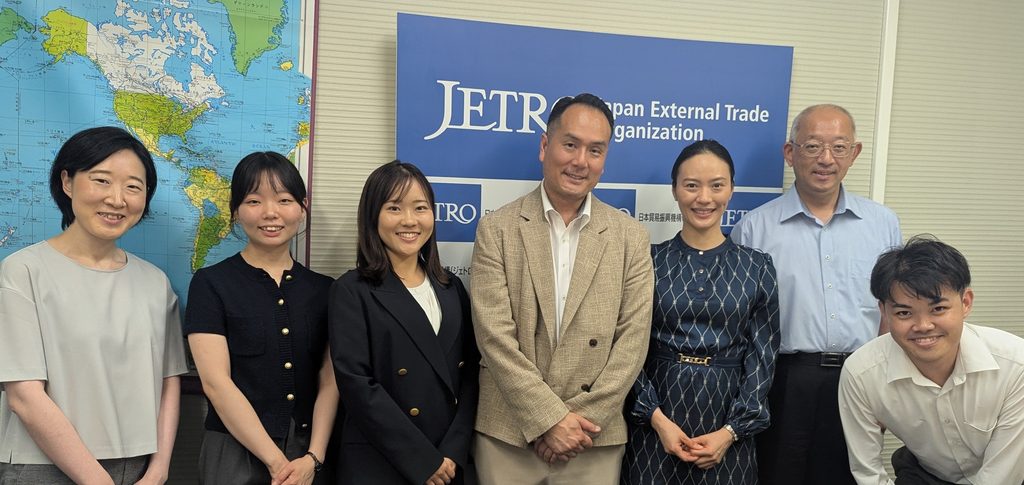
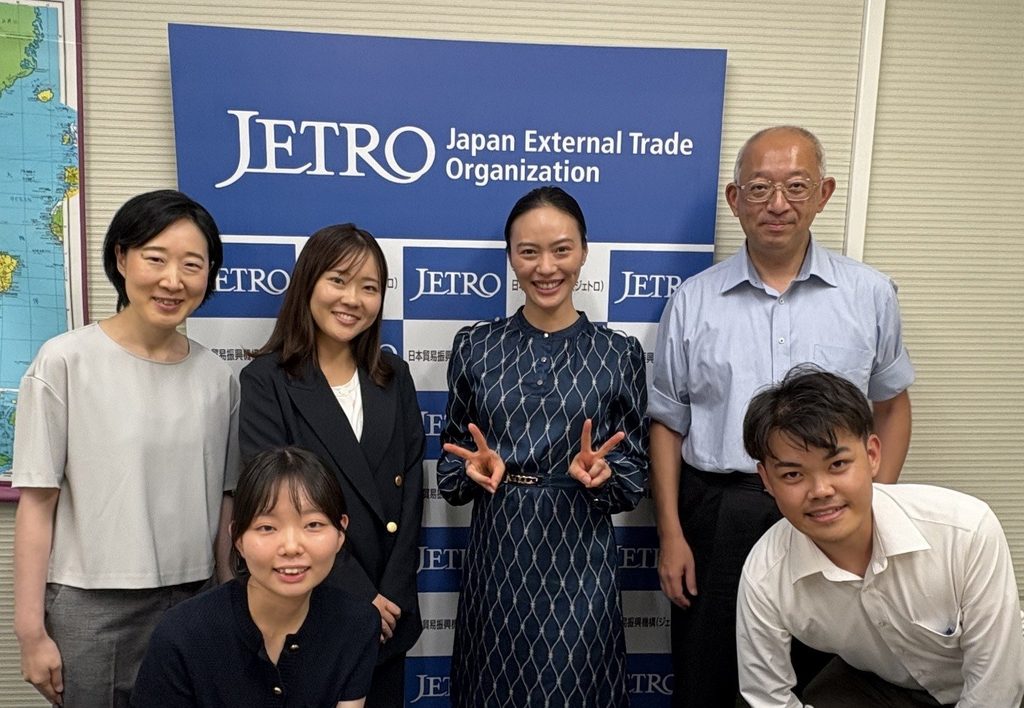
リン・レイチェルと、SeiRogaiの共同創業者であるユエン・サムミヨル氏、JETRO香川の関係者の皆様。
About the Author
Rachel Leng is Representative Director, COO and Co-Founder of SeiRogai, a Tokyo-based cross-border business consultancy and media production company. In January 2026, SeiRogai delivered two sessions of JETRO’s E-commerce Academy strategy program. Its 2026 registrations with JETRO’s cross-border e-commerce support partner program and SMRJ’s regional SME overseas expansion partner program mark its third consecutive year in both.
リン・レイチェルは、東京を拠点に海外展開支援とメディア制作を手がける株式会社SeiRogaiの代表取締役COO兼共同創業者。SeiRogaiは2026年1月、JETROの「E-commerce Academy 戦略立案編」で2講座を担当。2026年度の「ジェトロ越境EC支援事業パートナー」および中小機構の「地域中小企業海外展開活性化パートナー」は、いずれも3年連続の登録。
Rachel Leng’s profile / リン・レイチェルのプロフィール
SeiRogai’s services
SeiRogaiのサービス
JETRO E-commerce Academy Strategy Program
JETRO E-commerce Academy 戦略立案編
2026 SMRJ partner registration renewal
中小機構パートナー登録更新のお知らせ