
Article Contents 記事内容
- Entering Aomori Slowly
- ゆっくりと青森に入り込む
- Conversations with Aomori City Hall
- 青森市役所との対話から見えたもの
- Food as Climate, Memory, and Care
- 食に宿る気候と記憶
- Apples and Agricultural Stewardship
- りんごが語る、農の時間
- A Bowl Built by Choice: Aomori Nokkedon
- 自分で選ぶ贅沢な一杯:青森のっけ丼
- Kogin-zashi Embroidery and the Quiet Language of Craft
- こぎん刺しと、静かな手仕事の言語
- Nebuta and Collective Energy
- ねぶたに宿る共同体の力
- Aomori, Leadership, and the Long View of Place
- 場所が教えてくれる、リーダーシップのかたち
December 2025, Aomori City
I remember waking up early on my first morning in Aomori, before the city fully stirred.
Outside, the world was quiet in a way that felt deliberate rather than empty. Snow softened the edges of buildings and roads, and even the sea seemed to breathe more slowly in the cold air. Standing by the window, I felt my usual internal rhythm begin to shift. This was not a place that rewarded speed or efficiency. It invited patience.
I was in Aomori City as a representative of SeiRogai, participating in a multi-day workcation through Minato City’s Partner Municipality Workcation Promotion Program. Officially, the purpose was policy dialogue, regional exchange, and exploration of future collaboration. Unofficially, it became something closer to a personal travel journal. A record of small observations, conversations, textures, and moments that quietly stayed with me long after I left.
Over the years, I have spent much of my professional life moving between countries, cultures, and regions. My work often involves translating local stories for global audiences, helping regions and companies articulate who they are and why they matter beyond their immediate borders. Every so often, a place reminds me that good translation begins not with language, but with humility. Aomori was one of those places.
2025年12月 青森市
青森で迎えた最初の朝、街が本格的に動き出す前に目が覚めました。
窓の外に広がる景色は、不思議なほど静かでした。ただ無音なのではなく、意図をもった静けさです。雪が建物や道路の輪郭をやわらかく包み込み、海でさえも、冷たい空気の中でゆっくりと呼吸しているように見えました。
その光景を前に立ち尽くしながら、自分の内側のリズムが少しずつ変わっていくのを感じていました。ここは、スピードや効率を競う場所ではありません。待つこと、向き合うことを自然に求めてくる土地なのだと思いました。
今回は、SeiRogaiの代表として、港区連携自治体ワーケーション促進事業を通じ、数日間青森市に滞在しました。公式な目的は、政策対話や地域交流、将来的な連携可能性の模索でしたが、実際には、それ以上に個人的な旅の記録に近いものとなりました。小さな気づきや会話、手触り、空気感、帰京してからも静かに心に残り続ける断片の集積です。
これまで私は、仕事を通じて国や文化、地域を横断しながら活動してきました。地域の物語を世界へどのように翻訳するか、価値をどう文脈化するか。その仕事の中で何度も感じてきたのは、本当の「翻訳」は言語から始まるのではなく、謙虚さから始まるということです。青森は、まさにそのことを思い出させてくれる場所でした。
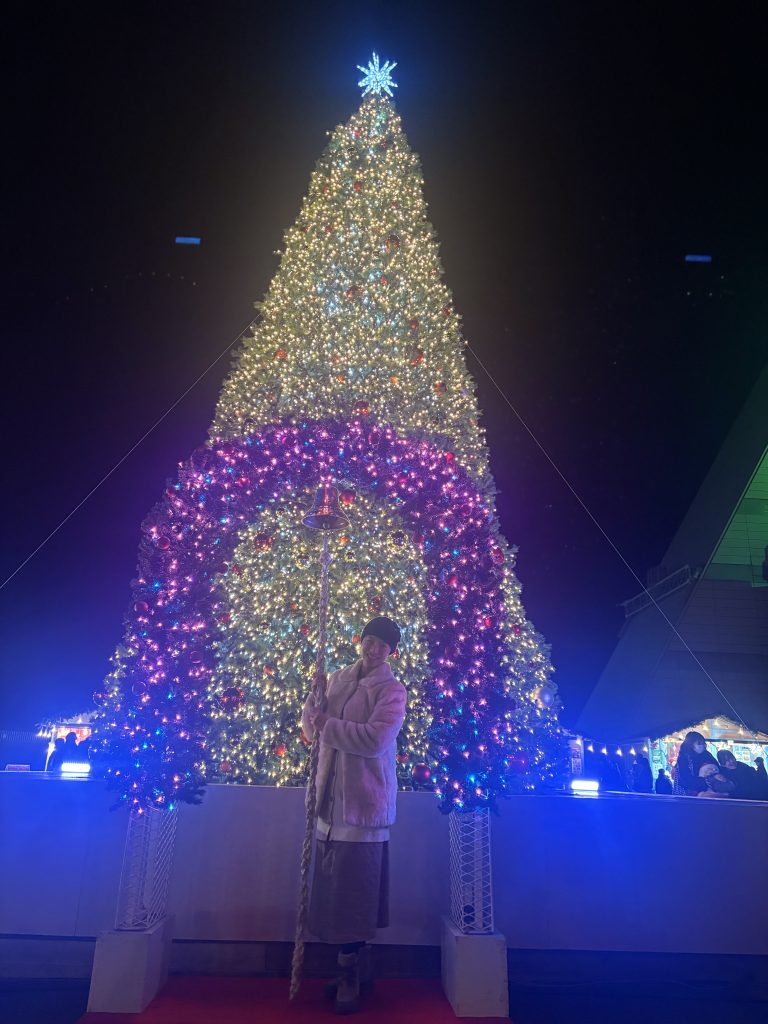
青森市で開催されたクリスマスフェア
Entering Aomori Slowly
ゆっくりと青森に入り込む
Aomori does not announce itself loudly. It reveals itself gradually, shaped by geography, climate, and history. Long winters, heavy snowfall, and distance from Japan’s political and economic centers have cultivated a culture that values endurance, mutual support, and quiet consistency.
As we moved through the city between meetings and site visits, I became increasingly aware of how deeply daily life here is structured around winter. Buildings are designed to withstand snow. Food prioritizes warmth and nourishment. Social rhythms slow down rather than resist the season.
This context matters deeply. Especially when we speak about regional revitalization, inbound tourism, or overseas expansion. Without understanding the conditions that shaped a place, any attempt to present it to the world risks becoming superficial or extractive.
青森は、声高に自己主張をする土地ではありません。地理や気候、歴史によって、少しずつ形づくられてきた場所です。長く厳しい冬、豪雪、そして日本の政治・経済の中心からの距離。そうした条件が、この地に「耐える力」や「支え合い」、そして静かな継続性を大切にする文化を育んできたのだと感じます。
会議や視察の合間に街を歩く中で、生活のあらゆる側面が「冬」を前提に設計されていることに気づかされました。雪に耐える建築、体を温める食事、無理に抗わず、季節に合わせて速度を落とす社会のリズム。
これは非常に重要な視点です。地方創生やインバウンド、海外展開を語る際、その土地を形づくってきた条件を理解しないまま外へ発信してしまうと、表層的で一方的なものになりかねません。青森は、そのことを静かに教えてくれる場所だと感じました。

静かな時間の中で、この土地の本質がゆっくりと見えてくる。
Conversations with Aomori City Hall
青森市役所との対話から見えたもの
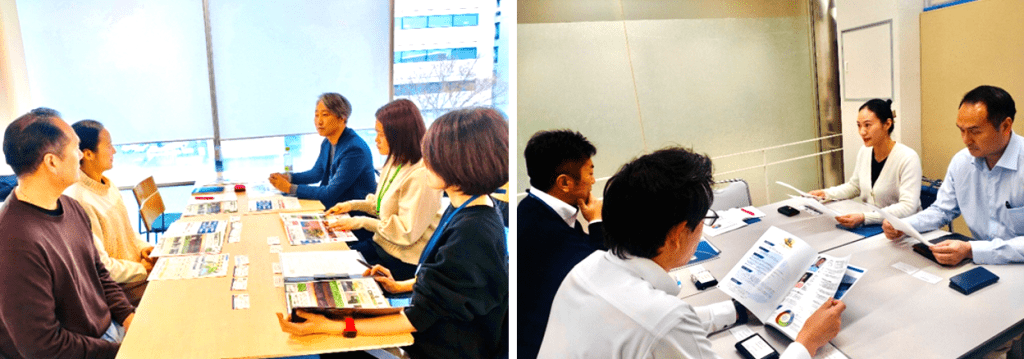
We discussed the potential for sustainable collaboration built on mutual understanding and trust, rather than short-term outcomes.
青森市役所・あおもり産品支援課、交流推進課の皆さまとの意見交換の一コマ。
短期的な成果ではなく、理解と信頼を基盤とした持続的な連携の可能性について意見を交わしました。
One of the core components of the workcation was a series of opinion exchange meetings with representatives from Aomori City Hall, including the Local Products Support Division and the Exchange Promotion Division.
What struck me most was the tone of these conversations. They were grounded and candid, without exaggeration or defensiveness. We spoke openly about the realities of inbound tourism, the difficulty of gaining international visibility, and the challenge of communicating Aomori’s appeal to audiences who may never have encountered the region before.
From my perspective, Aomori’s strength lies not in spectacle, but in depth. Its cultural assets do not demand attention at first glance. They reward time, curiosity, and context.
I shared how, at SeiRogai, we approach overseas promotion not by simplifying regional culture, but by carefully contextualizing it. Global audiences today are capable of nuance. They are less interested in idealized images and more drawn to understanding how people live, work, and maintain meaning in specific places..
Personally, I would like to support Aomori in sharing its stories, products, and values internationally in ways that preserve their integrity. Sustainable partnerships are built slowly, on trust and shared understanding rather than short-term metrics.
今回のワーケーションの中核となったのが、青森市役所の皆さまとの意見交換でした。あおもり産品支援課、交流推進課の方々との対話は、非常に率直で、地に足のついたものでした。
インバウンドの現状、海外での認知獲得の難しさ、青森の魅力を初めて触れる人々にどう伝えるか。誇張も防衛的な姿勢もなく、現実を共有する空気があったことが印象的でした。
私自身、青森の強みは「派手さ」ではなく、「深さ」にあると感じています。
時間をかけ、文脈を知ることで、はじめて伝わる魅力が、この土地には数多く存在します。
SeiRogaiとしても、文化を単純化するのではなく、その背景や積み重ねを丁寧に伝えることでこそ、海外の人々の心に届く形があると考えています。
個人的にも、青森の物語や価値を、その本質を損なわずに世界へ届けるお手伝いができればと強く思いました。持続的な連携は、短期的な成果ではなく、信頼と理解の積み重ねの上にしか生まれません。
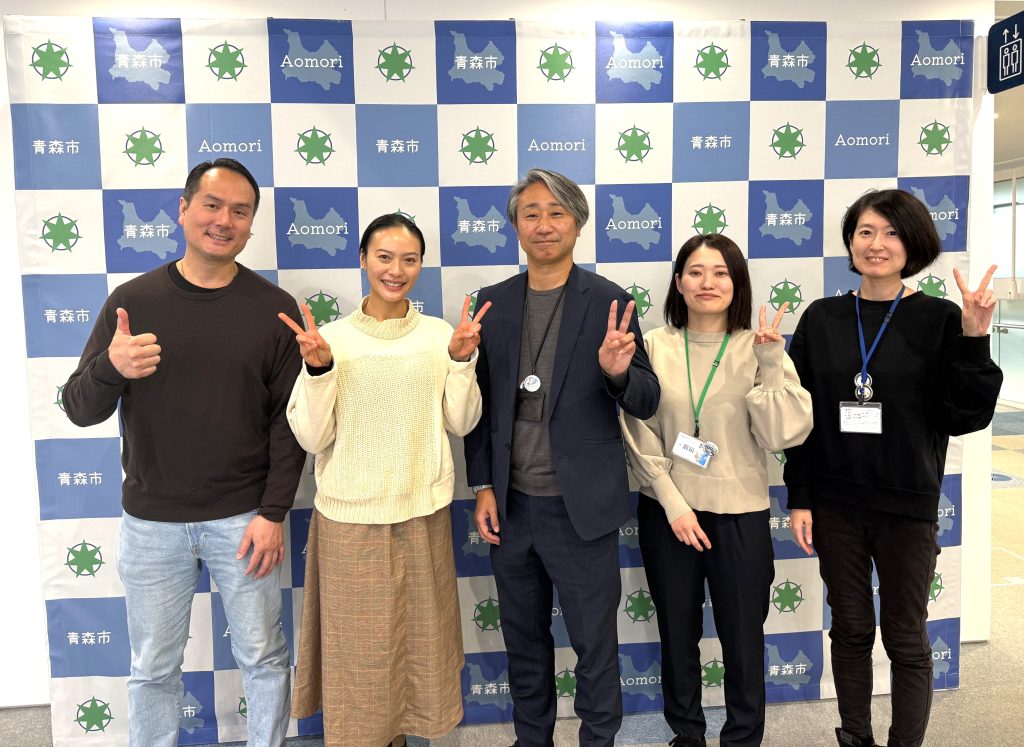
Through open and thoughtful dialogue, we shared challenges and possibilities in a warm and constructive exchange.
(左から右へ)SeiRogaiのCEO ユエン・サムミヨル、SeiRogaiのCOO リン・レイチェル、あおもり産品支援課の皆さま。
言葉を重ねる中で、課題と可能性を共有する、あたたかな対話の時間でした。
Food as Climate, Memory, and Care
食に宿る気候と記憶
If Aomori’s culture can be felt anywhere, it is in its food.
The region’s cuisine reflects centuries of adaptation to long, severe winters. Preservation, ingenuity, and nourishment are recurring themes. Meals are designed not for indulgence, but for sustenance, warmth, and continuity.
During our stay, we joined a hands-on local cooking experience guided by an Aomori City Migration PR Ambassador. It felt less like a workshop and more like stepping into someone’s home.
We spent time shaping squid balls by hand, feeling the texture of the mixture and adjusting it through touch rather than measurement. We made iga-menchi, a beloved local dish made primarily from vegetables, born from frugality and creativity. There was laughter, conversation, and a shared focus that naturally emerges when people cook together.
Photographs from this experience capture hands mid-motion, ingredients in various stages, and expressions of quiet concentration. These images tell a story of process and participation rather than presentation.
Kenojiru, a traditional winter soup, offered deeper insight into Aomori’s history. Finely chopped vegetables simmer together into a dish that is nourishing, efficient, and practical. Historically, chopping vegetables this way allowed families to stretch limited ingredients and ensure even cooking during months when fresh food was scarce. It is a dish shaped by foresight and care.
青森の文化を最も強く感じられるのは、やはり食だと感じました。
この地の料理には、長く厳しい冬を生き抜くための知恵が、静かに凝縮されています。保存、工夫、栄養。そこには、贅沢さよりも、身体を温め、日々の暮らしを支えるための合理性が息づいています。
滞在中、青森市移住PR大使の方に案内いただき、家庭料理を一緒につくる体験をしました。教室というより、誰かの家に招かれたような感覚でした。
イカ団子を手で丸め、感触を確かめながら形を整える。野菜中心の郷土料理・いがめんちを仕上げていく。笑い声と会話が自然に生まれ、料理を通して少しずつ距離が縮まっていくのを感じました。写真には、途中段階の材料や、集中した手元の様子が多く残っています。完成品よりも「過程」が語るものの多さを感じました。
中でも、けの汁は特に印象深い一品でした。野菜を細かく刻み、無駄なく栄養を摂るための知恵。保存が難しかった時代に、限られた食材を最大限に活かそうとした先人の工夫が、その一杯の中に、静かに息づいているように感じられました。
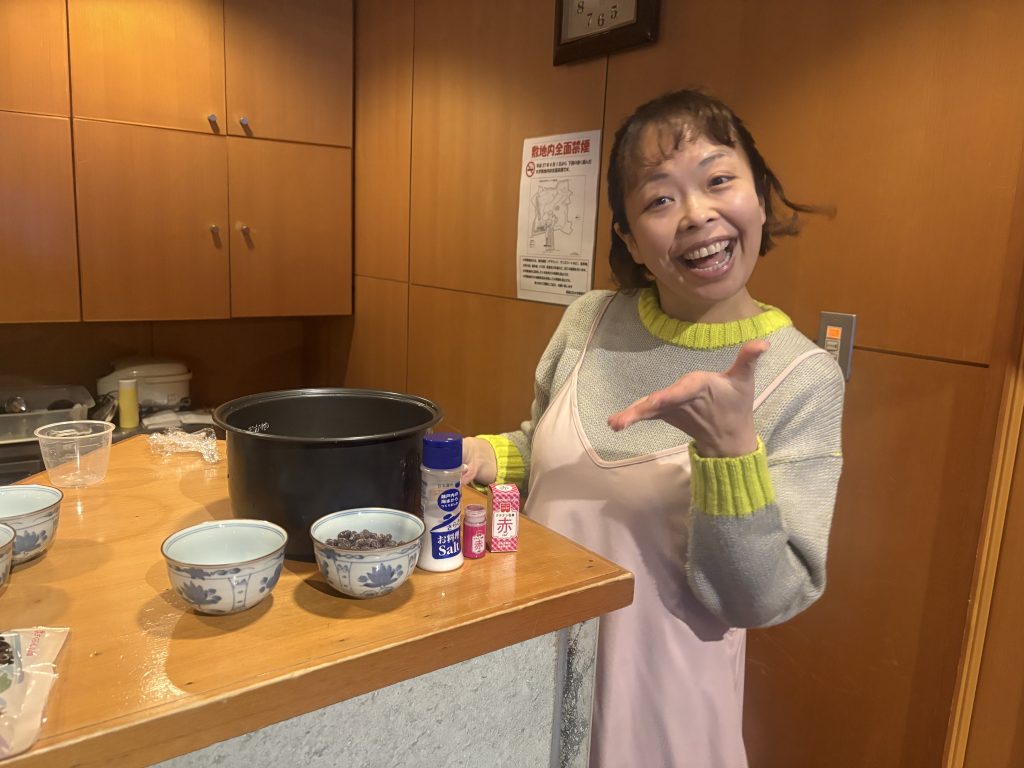
we experienced the culture and warmth of Aomori through the process of cooking.
青森市移住PR大使の髙坂さんとともに。
料理の「過程」を通して、青森の文化と温もりに触れる。
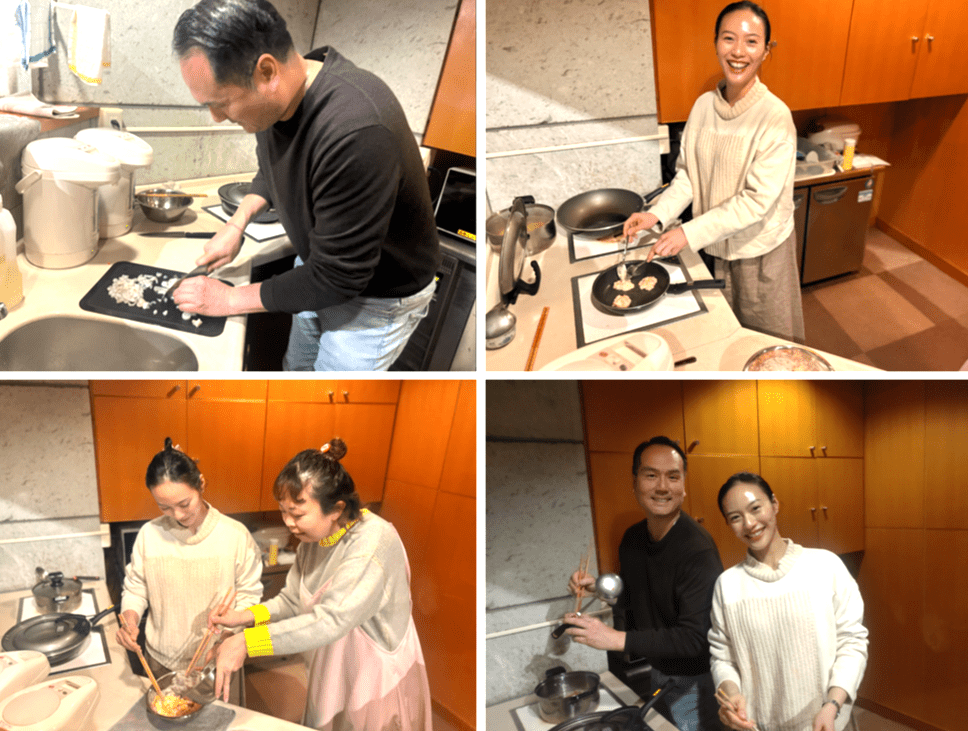
いがめんち作りの写真
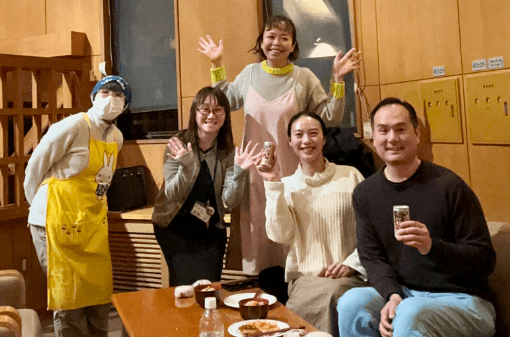
(左から右へ)青森市移住コーディネーターの近氏、青森市連携推進課の蝦名氏、青森市移住PR大使の髙坂氏、SeiRogaiのCOO リン・レイチェル、SeiRogaiのCEO ユエン・サムミヨル
Apples and Agricultural Stewardship
りんごが語る、農の時間
Aomori is widely known for its apples, but seeing the full range in person revealed a deeper story.
The prefecture cultivates over fifty varieties of apples, each with distinct qualities of sweetness, acidity, texture, and aroma. Displayed together, they form a quiet archive of agricultural knowledge accumulated over generations.
Looking at the apples laid out side by side, I was struck by the patience required to maintain such diversity. This is not mass production driven by efficiency alone. It is stewardship, experimentation, and long-term commitment to the land.
For overseas audiences, apples may appear simple. In Aomori, they represent resilience, adaptation, and the willingness to invest in the future over decades rather than seasons.
青森といえばりんご。その事実は知っていても、実際に50種以上の品種が並ぶ光景を見ると、その背景にある時間の厚みを実感します。
甘み、酸味、香り、食感。それぞれが異なり、用途も異なる。効率だけを追えば淘汰されてしまう多様性を、青森は守り続けてきた。それは単なる生産ではなく、土地への責任と未来への投資です。
海外では「りんご」はシンプルな存在に見えるかもしれません。しかし青森では、それは世代を超えた試行錯誤と忍耐の象徴なのです。
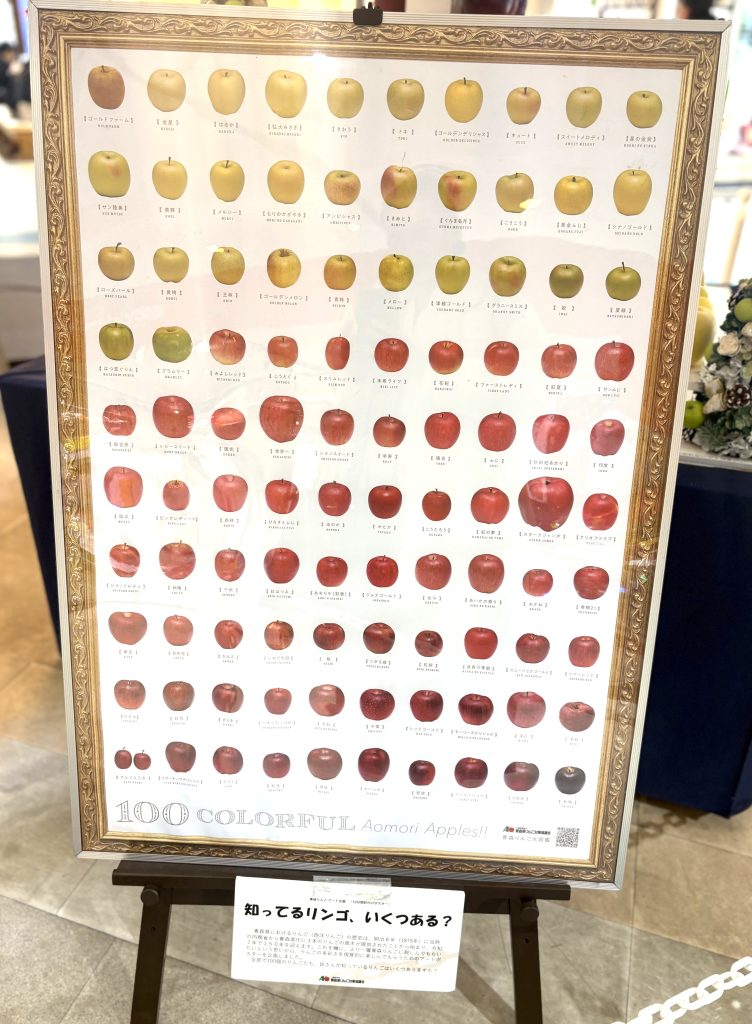
多様なりんご品種を一覧で紹介するパネル。
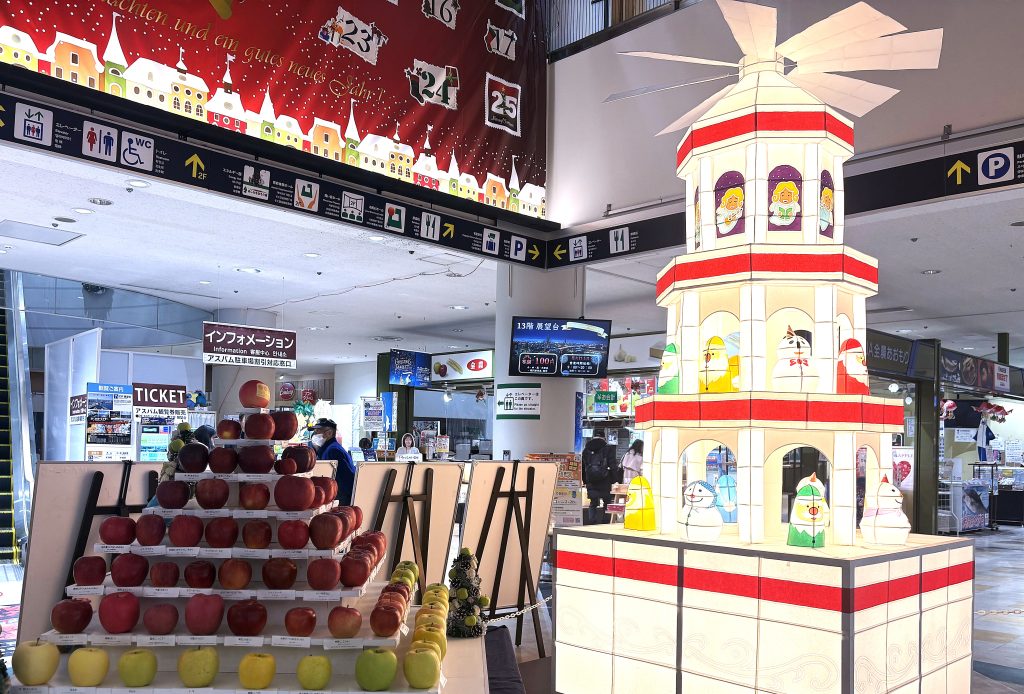
50種以上のりんごが一堂に並ぶ光景。りんごは単なる果実ではなく、世代を超えて受け継がれてきた知恵と忍耐の象徴です。
A Bowl Built by Choice: Aomori Nokkedon
自分で選ぶ贅沢な一杯:青森のっけ丼
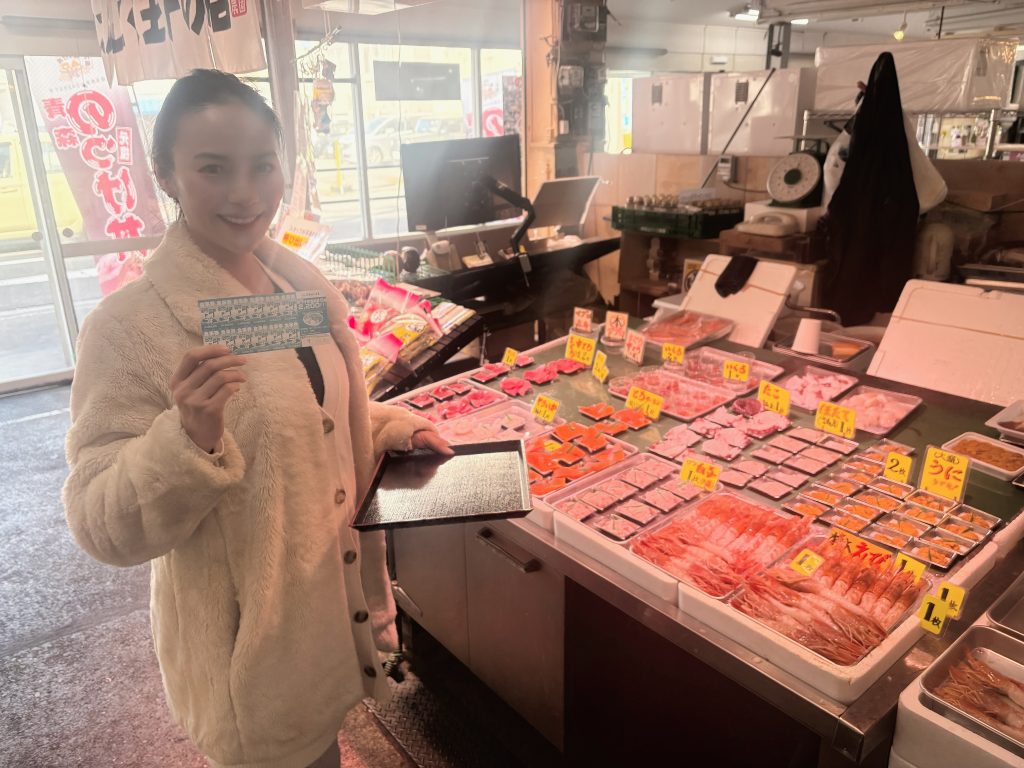
青森魚菜センターにて「のっけ丼」を体験。選ぶ、話す、知るという行為そのものが、丼の味わいをつくり出しています。
The Aomori Nokkedon experience is not simply about assembling a meal, but about participating in a living local economy. At Aomori Gyosai Center, visitors are invited to move stall by stall, engaging directly with small-scale vendors who specialize in particular ingredients, fresh seafood, prepared dishes, local specialties. Each choice is intentional. Each interaction, however brief, becomes part of the meal itself.
What struck me most was how this system naturally supports small and family-run businesses. Rather than a single restaurant capturing all value, the Nokkedon model disperses it across the market. It encourages conversation, curiosity, and respect for craftsmanship. You ask questions. You listen to recommendations. You learn what is in season and why.
青森魚菜センターで体験した「青森のっけ丼」は、単なるグルメ体験ではありません。市場内を歩き、店ごとに声をかけ、食材を一つずつ選ぶ。その構造自体が、生きた地域経済に参加することだと感じました。青森魚菜センターでは、来場者が店から店へと巡り、それぞれ特定の食材や新鮮な魚介、惣菜、地元の名物を扱う小規模な出店者と直接やり取りしながら選んでいきます。一つひとつの選択には意味があり、たとえ短い会話であっても、そのやり取り自体が一杯の丼の一部となっていきます。
特に印象的だったのは、この仕組みが自然に小規模・家族経営の事業者を支えている点です。ひとつの飲食店に価値が集中するのではなく、のっけ丼のモデルは市場全体へと価値を分散させます。会話や好奇心、そして職人技への敬意を促す仕組みでもあります。質問をし、おすすめに耳を傾け、何が旬なのか、そしてその理由を学ぶ、そんな体験が、丼の味わいをいっそう深めてくれました。
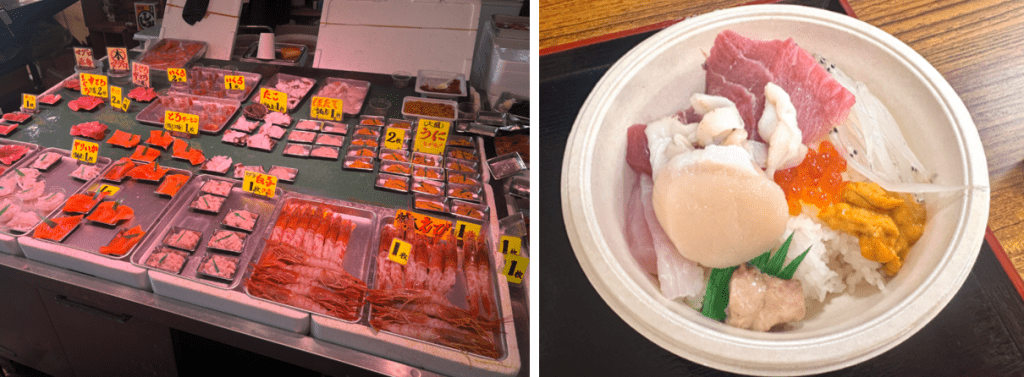
(左)市場に並ぶ多彩な魚介。(右)一つひとつ選んで完成する「のっけ丼」。
This kind of experiential food culture cannot be replicated through mass tourism or standardized dining. It requires presence. It rewards engagement. In choosing ingredients one by one, you are not just consuming Aomori, you are participating in it. It is a quiet but powerful example of how regional economies can remain resilient by inviting visitors into their rhythms rather than packaging culture for passive consumption.
このような体験型の食文化は、マスツーリズムや画一的な飲食体験では再現できません。そこには「その場にいること」が必要であり、主体的に関わることでこそ価値が生まれます。
食材を一つひとつ選ぶ行為は、単に青森を消費するのではなく、青森に参加することにほかなりません。
それは、文化を受け身で消費するためにパッケージ化するのではなく、地域のリズムの中へ来訪者を招き入れることで、地域経済がしなやかに持続していく、その在り方を静かに、しかし力強く示す好例だと感じました。
Kogin-zashi Embroidery and the Quiet Language of Craft
こぎん刺しと、静かな手仕事の言語
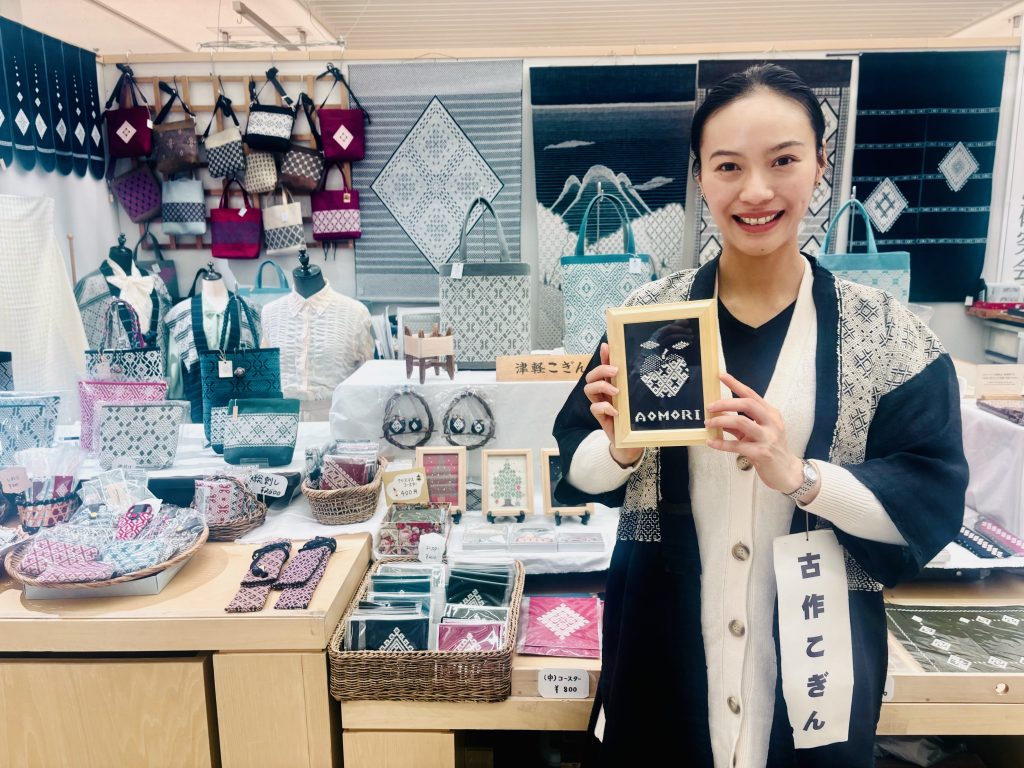
生きるための知恵として受け継がれてきた、こぎん刺しの手仕事。
Kogin-zashi is often introduced as a form of embroidery, but to experience it in Aomori is to understand that it was never decorative to begin with. It was survival.
Born in the Tsugaru region during the Edo period, Kogin-zashi emerged from necessity. Cotton was scarce and heavily regulated, reserved largely for the ruling classes. The farmers of northern Aomori, enduring long winters and biting winds, worked with what they had: hemp and ramie fabrics that offered little insulation. The answer was not excess, but ingenuity. By stitching dense geometric patterns with cotton thread over fragile cloth, they reinforced garments, blocked wind from slipping through the weave, and extended the life of clothing that could not easily be replaced.
Each stitch tightened the fabric. Each pattern thickened the coat. What we now admire as symmetry and beauty was, in its origin, a quiet form of resilience.
During our workshop, we created something simple, modest bookmarks completed within an hour. Yet even this small act invited imagination. As my hands moved through the repetitive rhythm of needle and thread, I found myself thinking of the women who would have done this work by firelight, night after night, embroidering coats for husbands, sons, parents. Not as art for display, but as protection, as care, as love rendered into cloth.
Later, wearing an antique Kogin-embroidered overcoat, its weight surprised me. It was heavier than it looked, not cumbersome, but grounding. You could feel the density of labor stitched into it. Time accumulated thread by thread. The coat did not ask to be admired. It asked to be relied upon.
In a world obsessed with speed, scalability, and optimization, Kogin-zashi speaks in another language entirely. It reminds us that some forms of value are cumulative, invisible, and slow. That durability is often the result of patience rather than innovation. And that craftsmanship, at its core, is an ethic of care.
こぎん刺しは「刺繍」と紹介されることが多いですが、青森で向き合うと、それが本来、装飾のためのものではなかったことがよく分かります。生きるための知恵だったのです。
江戸時代、津軽地方では綿が非常に貴重で、農民たちは麻布を使わざるを得ませんでした。厳しい寒さや風を防ぐため、木綿糸で幾何学模様を密に刺し、布を厚く、そして丈夫にしていきました。
一針一針が布を引き締め、隙間を塞いでいきます。美しさは結果であり、目的はあくまでも防寒と耐久性でした。
私たちは約1時間かけて栞を作る体験をしましたが、その単純な反復の中で、夜な夜な灯りの下、家族の衣を縫っていた女性たちの姿が自然と浮かびました。展示のためではなく、守るための手仕事です。
その後に身に着けた古いこぎん刺しの外套は、見た目以上に重みを感じました。その重さは、積み重ねられた時間と労力の密度そのものでした。頼られるために存在する衣なのだと思います。
スピードや拡張性が重視される現代において、こぎん刺しはまったく異なる価値観を静かに語りかけてきます。積み重ねること、見えにくい努力、そしてケアの倫理です。
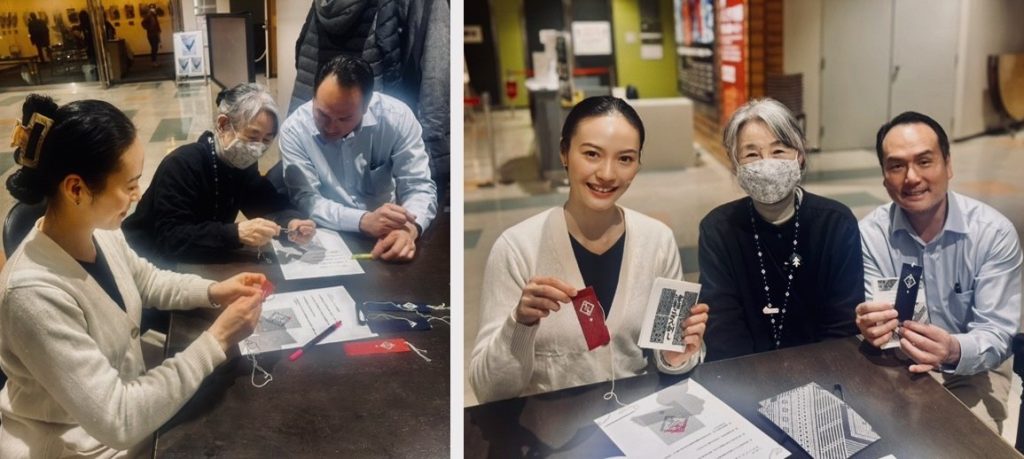
こぎん刺し体験の様子。
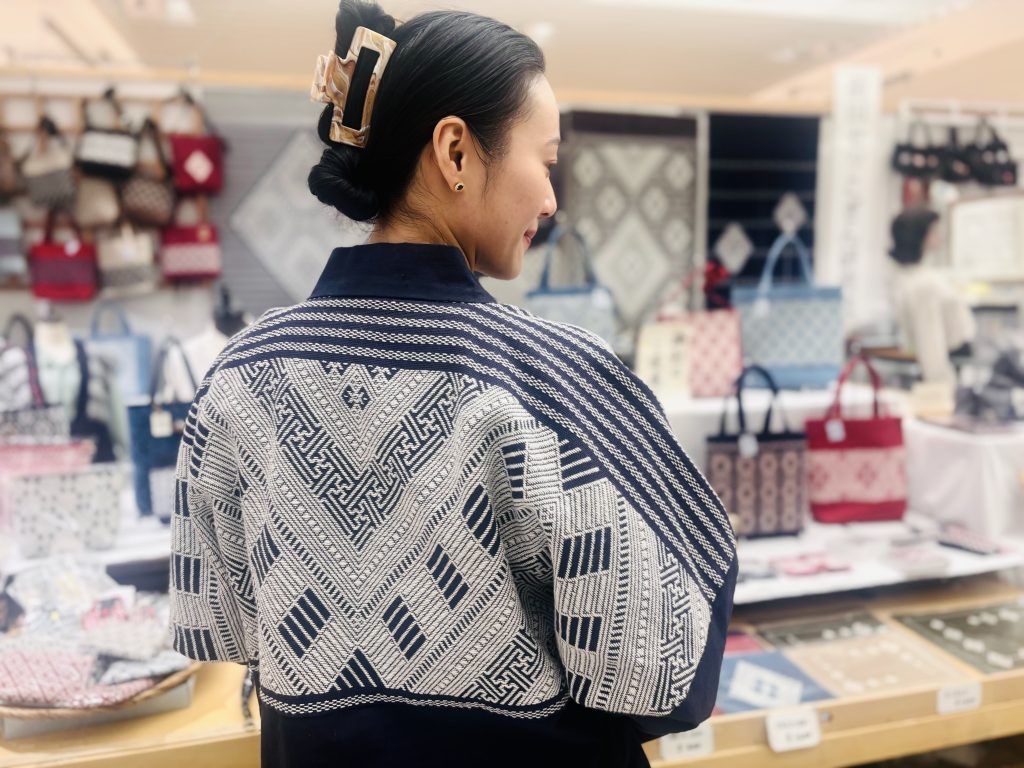
古いこぎん刺しの外套を身に着けて。一針一針が積み重なった布の重みから、暮らしを守ってきた時間の密度が伝わってきます。
Nebuta and Collective Energy
ねぶたに宿る共同体の力
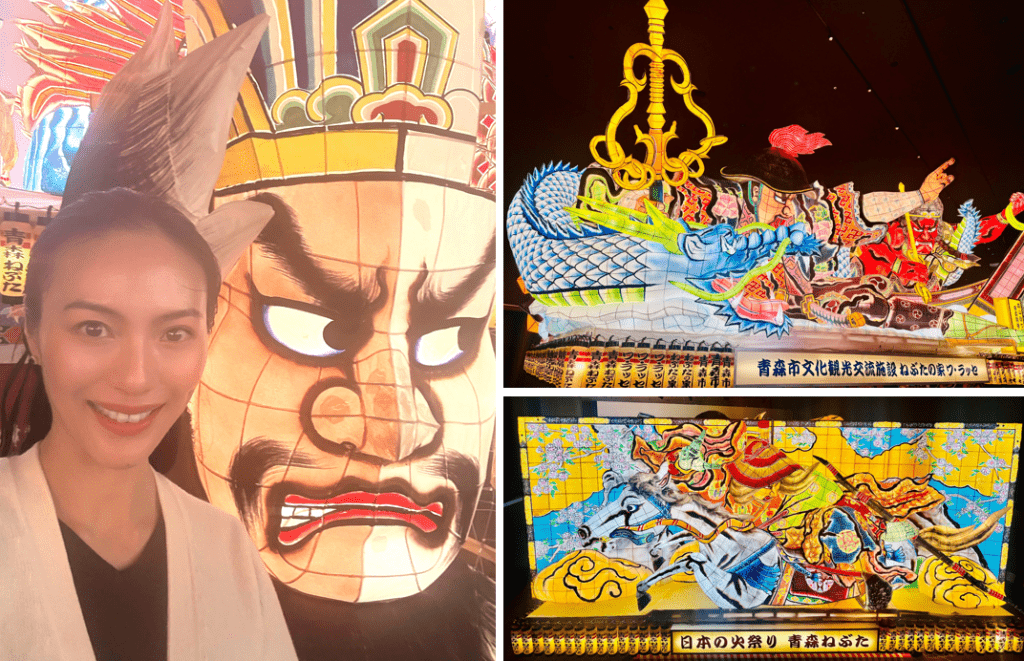
迫力あるねぶた山車を間近に体感し、地域に根づいた「参加する文化」のあり方に触れました。
We also visited Nebuta Museum Wa Rasse, home to the illuminated floats used in the Aomori Nebuta Festival.
Nebuta is often described simply as a summer festival, but its significance extends far beyond that season. The floats depict warriors, deities, and figures from Japanese history and folklore. Yet what sustains Nebuta is not spectacle alone, but community participation.
Artisans, musicians, dancers, and entire neighborhoods contribute. The Haneto dance welcomes anyone willing to join. Culture here is not something to observe from a distance. It is something you step into.
For inbound tourism, this distinction matters. Visitors can sense when culture is lived rather than staged.
ねぶたの家ワ・ラッセでは、青森ねぶた祭で使用されるねぶた山車を間近で見ることができます。山車には、武将や神々、日本の歴史や民話に登場する人物が描かれています。
ねぶたは夏祭りとして広く知られていますが、その本質は、一年を通じて続く共同体の営みにあります。ねぶたを支えているのは、単なる迫力や演出ではなく、地域の人々の参加です。
職人、囃子の演奏者、踊り手、そして地域全体が関わっています。ハネトの踊りは、参加する意志さえあれば誰でも受け入れてくれます。ここでは、文化は遠くから「見る」ものではありません。自らその中に「入っていく」ものなのです。
インバウンド観光において、この違いは非常に重要です。文化が演出されたものか、それとも日常として生きているものかは、訪れる人に自然と伝わります。
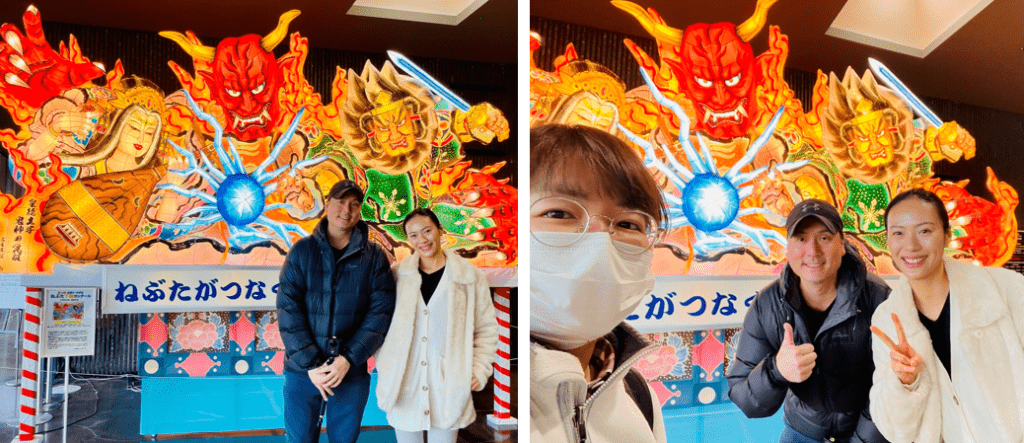
青森市移住コーディネーターのご案内のもと、ねぶたの家 ワ・ラッセでねぶた山車を間近に体感。地域に根づく、青森の「生きた文化」に触れるひととき。
Aomori, Leadership, and the Long View of Place
場所が教えてくれる、リーダーシップのかたち
As someone who works across borders, industries, and cultures, I often move quickly. Projects overlap, cities blur, and even meaningful work can become abstract when viewed through screens and schedules. Aomori slowed that momentum in a way I did not anticipate. Experiencing this place as a representative of SeiRogai was not about extracting insights or packaging stories, but about proximity and presence. Aomori does not announce itself loudly. Its strength lies in accumulation: winters layered with snow, apples cultivated across generations, stitches reinforcing cloth, communities sustaining festivals long after economic logic says they should fade. It is a place that asks you to listen before you interpret.
This quiet endurance is visible everywhere. The Nebuta Festival, for all its spectacle, exists because of countless unseen hours of collective effort, passed down and renewed year after year. The same spirit lives in Aomori’s food culture, from home kitchens shaping squid balls and iga-menchi by hand, to the Gyosai Center’s Nokkedon stalls where you assemble your meal through direct exchanges with local vendors. You are not a passive consumer here. You participate. Choice by choice, conversation by conversation, value is created relationally. For me, this was a powerful reminder that sustainability is not a slogan, but a system built on trust, continuity, and mutual recognition.
From a leadership perspective, Aomori offers an important lesson for global work. In an era obsessed with speed, scale, and visibility, regions like this remind us that longevity is shaped by care, patience, and fidelity to place. The challenge is not how to make Aomori louder, but how to translate its depth without flattening it. Leaving Aomori, I carried with me a renewed sense that leadership, like Kogin-zashi, is reinforced slowly through repeated, deliberate acts. Some forms of value cannot be rushed. They must be stitched, season by season, into something that lasts.
国や業界、文化をまたいで仕事をする中で、私は無意識のうちに速度を上げてしまうことがあります。しかし青森は、その流れをそっと、静かに緩めてくれました。
SeiRogaiの代表としてこの地に立ちましたが、何かを「取りに来た」という感覚よりも、そこに「在る」ことの意味を深く考えさせられました。青森の強さは、幾重にも積もる雪の層、りんごの多様な品種、刺し重ねられた糸、そして受け継がれてきた祭りの中にあります。
リーダーシップもまた、こぎん刺しのようなものだと感じました。派手さではなく、繰り返しと配慮によって強度が生まれていくものです。急ぐことのできない価値も、確かに存在します。
青森を後にしながら、その感覚を胸に刻みました。
時間をかけて縫い上げるものだけが、長く人を守るのだと。